
Ceramic Coating & PPF Guide: Understand
Does PPF Turn Yellow? Old Film vs Modern TPU
Ask anyone who has seen an old film job on a white car and you will hear the same worry: clear bras turn yellow. Some did, and some cheap films still do. That reputation is the main reason owners of white, silver and pearl cars hesitate about film.
The cause is mostly chemistry, and it is the part of film you cannot see when it is new. This guide explains why yellowing happens, what modern films do differently, and how to tell real yellowing from surface stains that a good wash will lift.
The short answer
Paint protection film can turn yellow if it is made from aromatic polyurethane, which yellows under UV light even with stabilizers added. Modern quality films use urethanes formulated for UV resistance, and aliphatic polyurethanes were developed specifically because they do not show that yellowing. Much of the discoloration people see on newer film is actually surface staining from bugs, droppings, sap or road film, which can usually be cleaned if caught early.
Key points
- Yellowing is driven by the film's urethane chemistry and UV exposure, not by how often you wash.
- Aromatic polyurethanes yellow in sunlight; stabilizers only slow it. Aliphatic polyurethanes were developed to avoid it.
- Surface stains sit on the top coat and often clean off; true yellowing is inside the film and does not.
- Before buying, ask what the film is made of and whether the warranty covers discoloration.
The chemistry
Why Some Urethane Turns Yellow
Paint protection film is built on thermoplastic polyurethane, a family of plastics made in two broad chemical types: aromatic and aliphatic. The names refer to the building blocks used to make the polymer, and they behave very differently in sunlight.
Covestro, one of the large polyurethane producers, explains that aromatic thermoplastic polyurethanes yellow under UV light because the light triggers compounds with conjugated double bonds in the rigid part of the polymer. Adding UV stabilizers to aromatic grades only delays the yellowing; it does not prevent it. Aliphatic thermoplastic polyurethanes were developed because they do not show this effect, which is why they are used where optical clarity matters.
For film, that is the whole story in two sentences. A film made from a urethane that yellows in UV will eventually yellow on a car parked in the sun. A film made from a UV-stable urethane, with a good top coat, is built to stay clear.
Then and now
What Changed Between Old Film and Modern Film
Age alone does not decide it. Not every older film yellowed, and not every budget film sold today will hold up. What separates films is the urethane they are built on and the top coat over it.
Modern premium films stack several improvements. Eastman's earlier LLumar technical specification describes a 6 mil urethane core formulated for excellent UV, heat and water resistance, topped by a flexible, self-healing polyurethane clear coat. LLumar's current Platinum films add a hydrophobic top coat, HydroGard, which the company says resists stains.
The catch is that two clear films look identical on the roll. You cannot see urethane chemistry in a showroom, which is why the questions you ask before buying matter more than how the sample looks.
Diagnosis
Yellowing, Staining or Dirt? How to Tell
- True yellowingInside the film
- An even yellow or amber cast across the whole film, most visible on the sunniest panels like the hood. Washing and gentle cleaning do not change it. This is film aging, and the fix is replacement.
- Surface stainingOn the top coat
- Patchy marks where bugs, bird droppings, sap or tar sat on the film, or a tan haze of road film on the front bumper. These often lighten or disappear with proper cleaning, especially if caught early.
- Edge dirt linesAt the border
- Dark lines along film edges are dirt and wax collected in the small step where film ends, or under a lifted edge. They are not yellowing. Careful cleaning helps; a lifted edge needs attention. PPF edges explained
- Exhaust sootRear bumper
- Film on a rear bumper near the exhaust can darken from soot. It usually cleans up with a pH-neutral shampoo and a soft mitt.
Light colors
Why White and Silver Cars Show It First
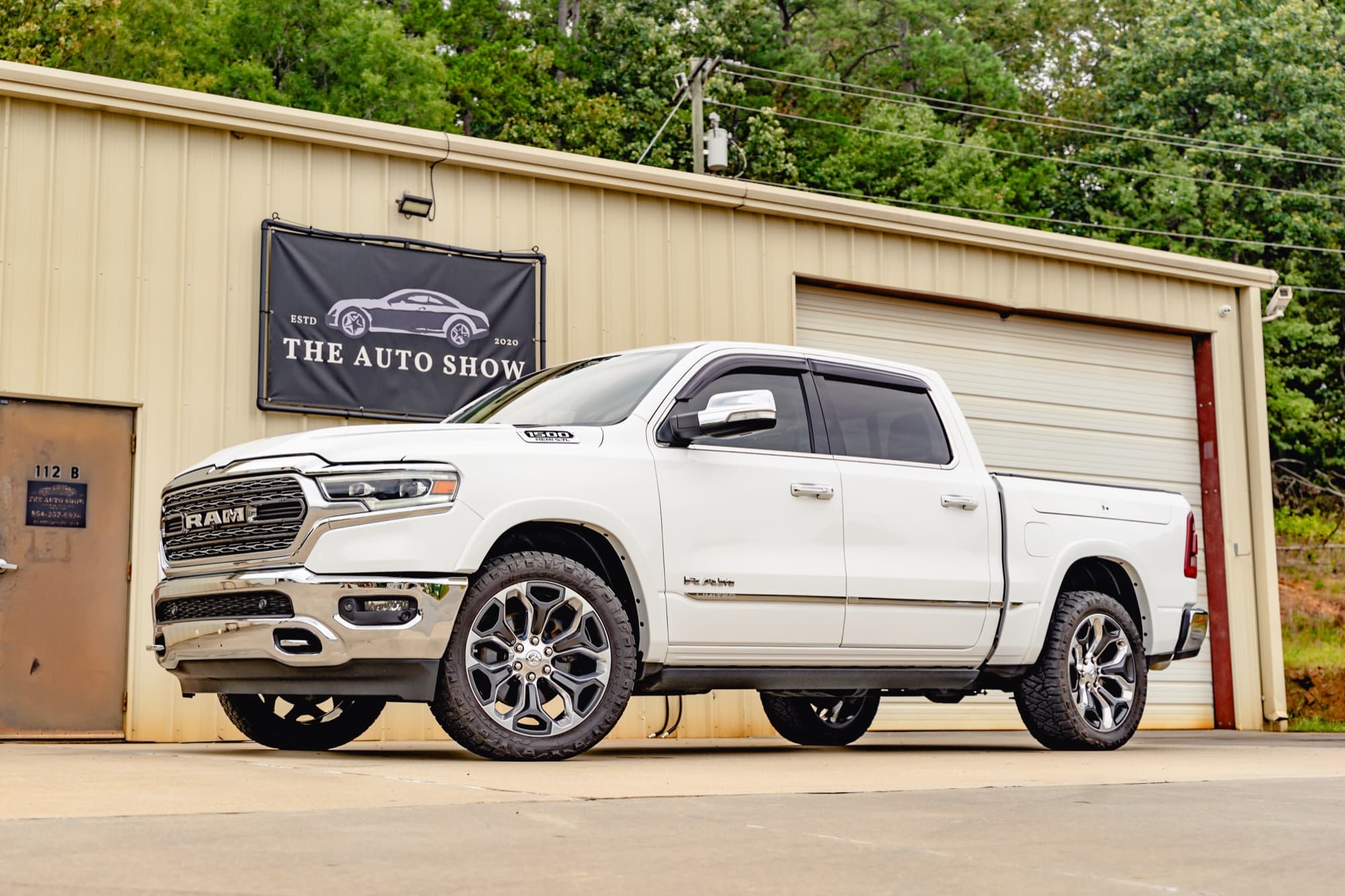
On a black or dark blue car, a slight warm tint in film is almost invisible. On white, pearl or light silver paint, the same tint stands out because there is nothing to hide it, and filmed panels sit right next to unfilmed ones. A partial hood makes the comparison obvious: the line where film stops is exactly where you would notice a color difference.
Light colors also make surface stains more visible. Tan road film on a white front bumper or orange bug marks after a summer drive can look like discoloration from a few feet away. That is why it is worth cleaning before deciding film has yellowed.
If you drive a white car and plan to keep film on for years, it is especially worth choosing a UV-stable film with a warranty that addresses discoloration, and considering full-panel coverage so there is no film line across the hood.
Cleaning
How to Remove Stains From PPF Safely
Wash first
Wash the area with a pH-neutral shampoo and soft mitt, rinsing grit off first. Many stains are just film on the surface.
Soften, do not scrub
For bugs and droppings, lay a towel soaked in warm water or a quick detailer over the spot for a few minutes, then lift it away gently.
Use film-safe removers
For tar or stubborn bugs, use a remover labeled safe for paint protection film. A major film maker's bulletin warns that strong alkaline, acidic or alcoholic cleaners can do lasting damage to film.
Skip abrasives
The same bulletin says abrasive polishes and rubbing compounds damage the film surface. Do not compound film to remove a stain.
Let heat help
After cleaning, sun or warm water lets the self-healing top coat level any light marring left by the cleaning.
Ask before going further
If a stain does not move with safe cleaning, have the installer look at it. Some stains leave lasting marks in the top coat, and the section may need to be replaced.
Prevention
Keeping Film Clear for Years
- Remove bird droppings, bugs and sap promptly; LLumar's care advice calls this out specifically.
- Wash regularly in pollen and bug season so contaminants do not bake on.
- Park in shade or a garage when you can to reduce UV exposure.
- Use pH-neutral shampoo and non-abrasive products only.
- Avoid dyed waxes and heavy dressings on film; they can leave residue at edges.
- Inspect film once a year in daylight next to unfilmed paint.
Buying
Questions to Ask Before You Buy Film
Because you cannot judge UV stability by looking, ask these before choosing a film. A reputable installer will answer them directly and show you the manufacturer's documents.
- What is the film made of, and is it formulated for UV stability?
- Who manufactures it, and who backs the warranty: the film maker or only the shop?
- Does the written warranty cover yellowing or discoloration, and for how long?
- What care is required to keep the warranty valid?
- Can I see the warranty document before I pay?
| True yellowing | Surface stain | |
|---|---|---|
| Where it is | Inside the film | On the top coat |
| Pattern | Even cast across sunny panels | Patchy, where something sat |
| Main cause | UV acting on the urethane over time | Bugs, droppings, sap, tar, road film, soot |
| Cleans off? | No | Often, if caught early |
| Fix | Replace the film section | Safe cleaning; replace only if marked |
| Prevention | UV-stable film, shade parking | Prompt cleaning, regular washes |
Clear film for light-colored paint
We install LLumar Platinum PPF with a hydrophobic, stain-resistant top coat, and you can ask us about LLumar's warranty terms before you decide. Ask for a quote for your vehicle.
Common questions
Will clear PPF make my white car look yellow?
Not when it is new, and a UV-stable film with a good top coat is built to stay clear. Yellowing is mostly a problem with films made from urethane that discolors in sunlight. On a white car, ask what the film is made of, check that the warranty addresses discoloration, and consider full panels so there is no visible film line.
Can yellowed PPF be polished or cleaned back to clear?
True yellowing is inside the film, so cleaning does not remove it, and polishing film with abrasive compounds damages the top coat. If a cast does not change after a proper wash and safe stain removal, the film has aged and that section should be replaced. Surface stains are different and often clean up.
How do I get bug stains off paint protection film?
Soften them first: lay a towel soaked in warm water or a quick detailer over the spot for a few minutes, then wipe gently. Use a bug remover labeled safe for film if needed. Avoid strong alkaline or solvent cleaners and abrasive pads. Removing bugs within a day or two in summer prevents most stains.
Does PPF yellow faster in the South?
UV exposure is the driver of yellowing in films that are prone to it, so a car parked in strong sun all year puts more stress on film than one in a cloudy climate or a garage. With a UV-stable film, sun mainly affects the top coat over time. Shade parking and regular washing help either way.
Is yellowing covered by a PPF warranty?
It depends on the warranty. An earlier LLumar warranty, for example, covered cracking, bubbling or discoloring caused by defects in manufacture or materials when installed by a LLumar installer. Current terms vary by product and change over time, so ask for the exact warranty document for the film you are buying.
Sources
- Optical properties, Covestro (https://solutions.covestro.com/en/highlights/articles/theme/product-technology/optical-properties), accessed October 2026
- Self-Healing Paint Protection Film Technical Specification (01/19), Eastman Performance Films / LLumar (https://vikiallo.dk/wp-content/uploads/data_sheets/558130_ENG_010119.pdf), accessed October 2026
- Platinum Gloss Paint Protection Film, LLumar (https://llumar.com/na/en/automotive/paint-protection-film/platinum-gloss), accessed October 2026
- Paint Protection Film Frequently Asked Questions, LLumar (https://llumar.com/en/resources/paint-protection-film-frequently-asked-questions/), accessed October 2026
- 3M Paint Protection Film Installation Guidelines, Instruction Bulletin, October 2024, 3M (https://multimedia.3m.com/mws/media/2159838O/3m-paint-protection-film-installation-guidelines-en-we.pdf), accessed October 2026
Prices on this page are The Auto Show’s published starting prices and are confirmed after we inspect the vehicle. Product ratings and warranty terms come from the manufacturers.