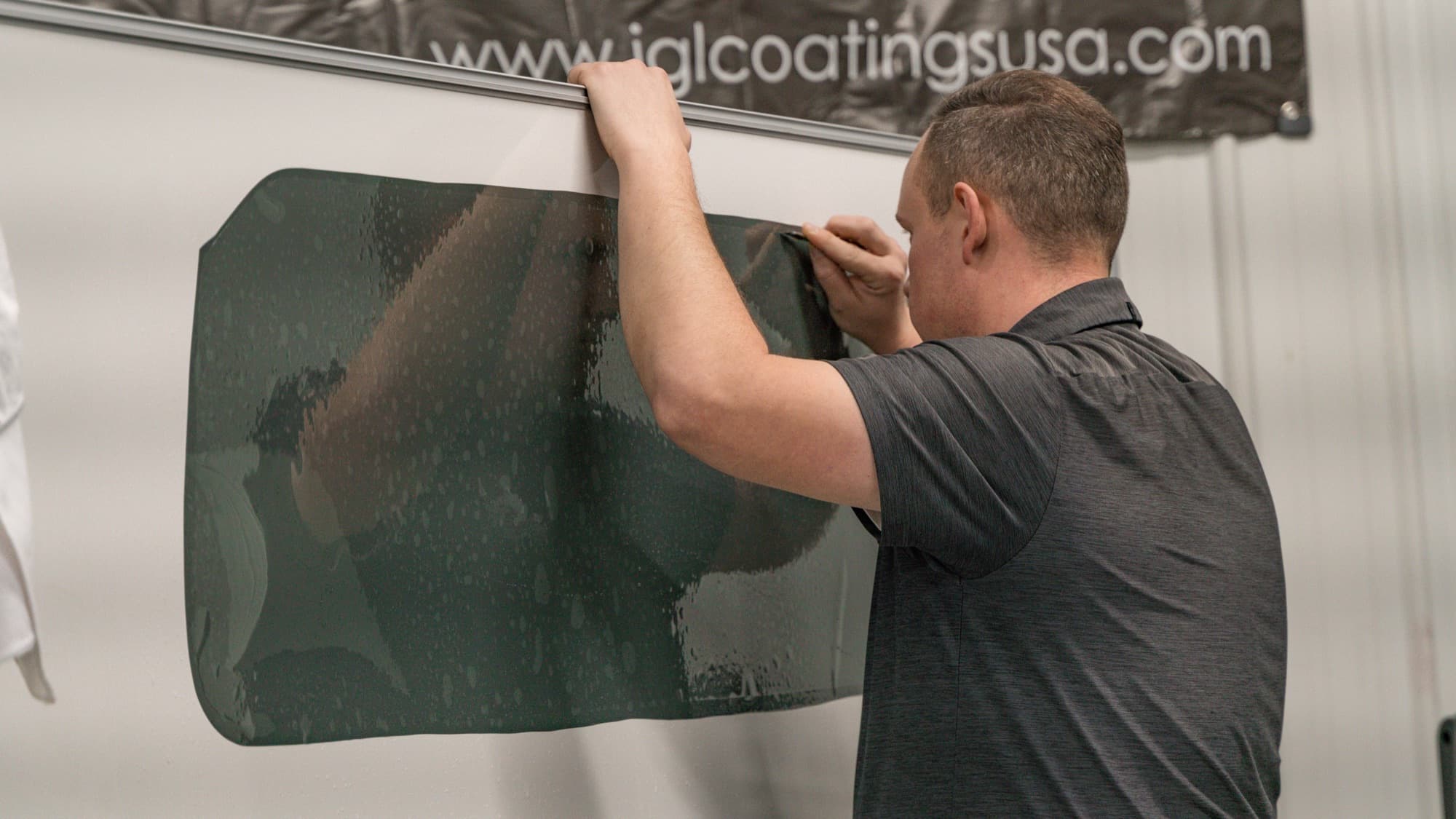
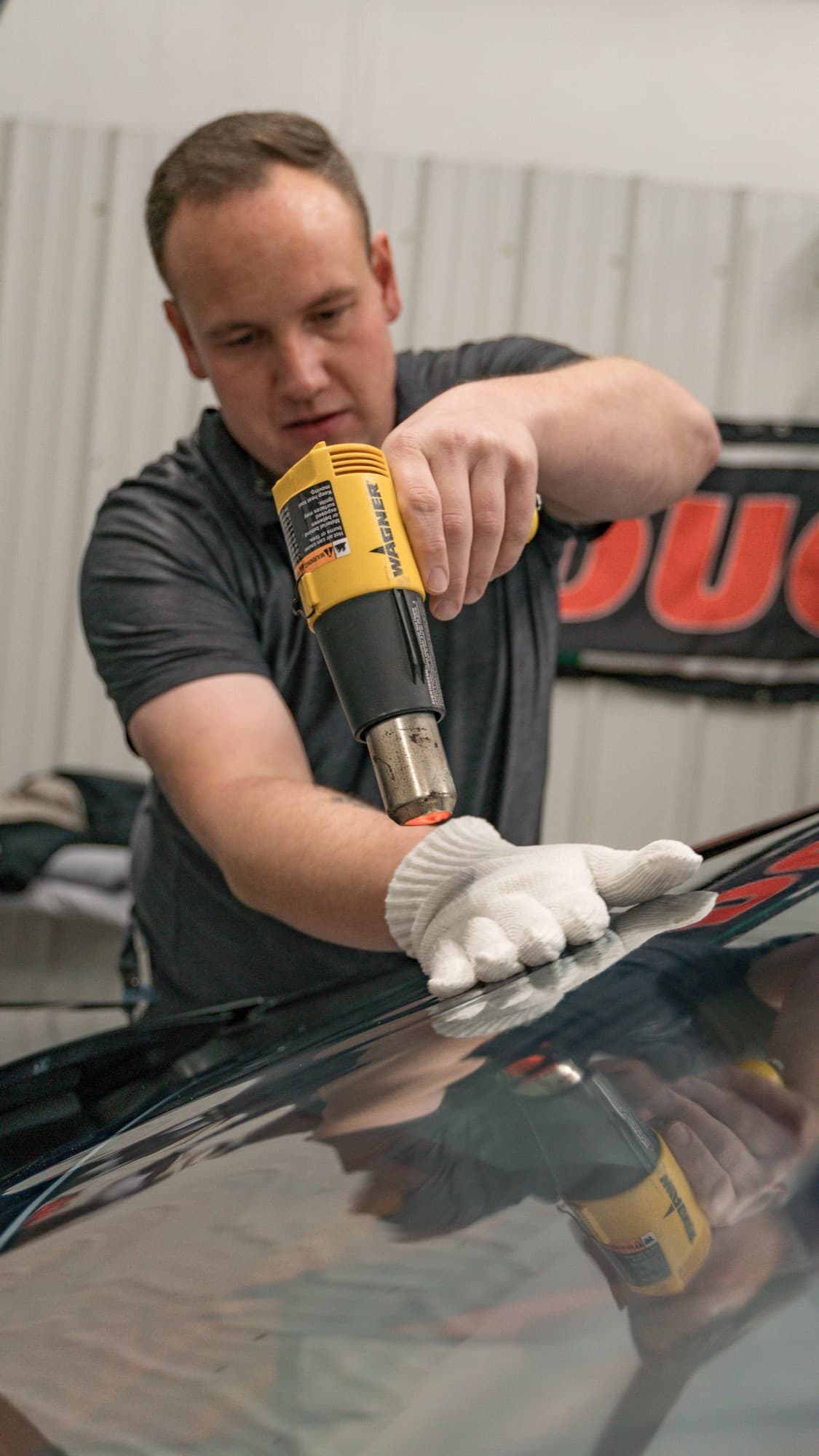

Installer heat-forming window film with a heat gun

Window tint

Window Tint in Anderson, SC

LLumar carbon and ceramic window film, computer cut for your vehicle and installed to South Carolina’s legal limit. Tint keeps the cabin cooler, cuts glare, adds privacy, and blocks the UV rays that fade interiors.

Reviewed by Nick Parker, owner, IGL certified installer · Last reviewed

Films

Two LLumar films

The price depends on the vehicle and how many windows you tint. Call or request a quote.

LLumar Carbon Window Tint

Call for a quote

An affordable way to tint. The color is built into the film rather than dyed on the surface, so the charcoal shade stays true instead of fading or turning purple.

  • Blocks UV that fades interiors
  • Reduces glare
  • Adds privacy
  • Color-stable charcoal shade
Book carbon tint

Choosing

Which film fits how you drive

A starting point, not a rule. We make a recommendation once we have seen the vehicle and heard how you use it.

You mostly want the look, privacy and less glare

LLumar Carbon

The color is built into the film, so the charcoal shade stays true instead of fading or turning purple. The value choice for a clean, custom look.

Your car sits outside in the sun, or heat is the complaint

LLumar Ceramic

Nano-ceramic particles reject more of the sun’s infrared heat, so the cabin stays cooler without needing the darkest shade.

A long commute into the sunrise or sunset

Either film, at a shade you can see through at night

Both cut glare and block UV on the side of you that faces the sun every day. Ceramic adds the heat rejection on long drives.

An SUV or truck that already has dark factory glass

A shade checked against your glass

Factory privacy glass already reduces light, so the legal film for the front windows depends on your vehicle. We measure before we install.

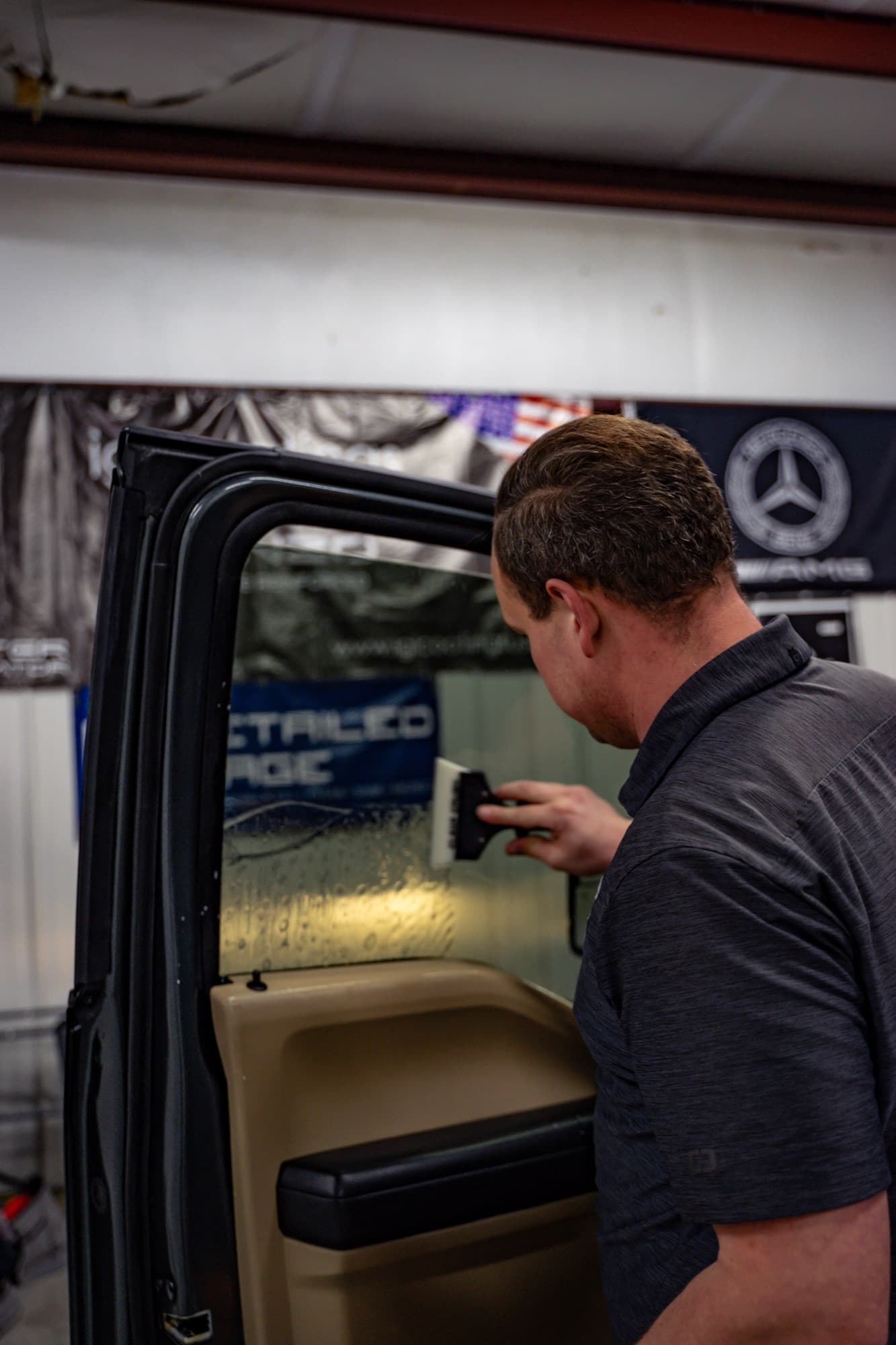
Installer fitting window film inside the door of a Ford F-150

Why tint

Cooler, calmer, more private

  • A cooler cabin. Film reduces the heat that comes through the glass. Ceramic film handles infrared heat best.
  • UV protection. LLumar rates its films to block up to 99% of UV rays, which fade and crack interiors and harm skin.
  • Less glare on bright days and from headlights.
  • Privacy for passengers and anything left on the seat.
  • A clean, custom look, from subtle to dark, within the legal limit.

Our process

How we tint your vehicle

Good tint is mostly preparation and fit. Clean glass and an exact cut are what keep edges tight and the film free of specks.

  1. Vehicle and shade check

    We look the vehicle over and check which shades keep each regulated window at or above South Carolina’s 27% combined limit, counting any factory tint.

  2. Choose the film

    Carbon or ceramic, and the shade for each window. We talk through what you will see at night and what the law allows on your vehicle.

  3. Clean the glass

    The inside of every window is cleaned so no dust or grit is trapped under the film.

  4. Computer-cut film

    Film is computer cut for your vehicle rather than trimmed by hand on the glass, then applied with a slip solution and squeegeed out.

  5. Shape the curves

    Curved glass, such as most back windows, is shaped with heat so the film lies flat without creases.

  6. Sticker and care sheet

    Each tinted window gets South Carolina’s certificate of compliance, and you leave with care instructions.

There is no waiting area, so plan a ride for drop-off and pickup. Evening drop-off can be arranged by phone. Read the appointment, step by step.

Compared

Dyed, metallized, carbon or ceramic film?

Every film darkens the glass. What separates them is how they hold their color, how much heat they turn away, and whether they get in the way of your signals.

Dyed, metallized, carbon and ceramic window film compared
Film typeColor over timeHeat rejectionPhone, GPS and radioAt our shop
Dyed filmCan fade and turn purple over timeLess than ceramic at the same darknessNo metal, no interferenceNot on our menu
Metallized filmStable, but with a shiny, mirror-like lookVaries by productMetal can weaken GPS, radio and toll tag signalsNot on our menu
Carbon filmStable charcoal that does not turn purpleLess than ceramic at the same darknessNo metal, no interferenceLLumar Carbon
Ceramic filmStable shadeMost infrared heat rejected at the same darknessNo metal, no interferenceLLumar Ceramic

Heat rejection is compared at the same shade, as LLumar publishes it. More in our carbon vs ceramic guide.

South Carolina law

What the tint law allows

Window tint in South Carolina is governed by S.C. Code § 56-5-5015. In plain terms:

  • 27% combined. Film on the front side windows, rear side windows and back glass must let through at least 27% of light, measured together with the factory glass.
  • Windshield: top strip only. Film may run along the top of the windshield down to the AS-1 line. If the AS-1 line is not visible, no film is allowed on the windshield.
  • No mirror or colored film. Film must be nonreflective and may not be red, yellow or amber.
  • Mirrors. If the back glass is tinted, the vehicle needs both outside rearview mirrors.
  • Some vehicles are treated differently. The light limit does not apply to windows behind the driver on multipurpose passenger vehicles, buses and RVs. It does apply to pickups. Whether your SUV counts depends on how it is classified, so ask us.
  • A sticker on every tinted window. Each one carries a certificate of compliance in the lower right corner, showing the light transmission, the installer and the date.

This is a summary, not legal advice. For an unusual situation, check with the South Carolina Department of Public Safety. Read our summary of South Carolina window tint rules, or browse the full Window Tint Guide.

Upstate conditions

Why tint earns its keep in Anderson

  • Long, hot summers. Anderson sees about 55 days a year at 90°F or hotter. A car parked outside turns into an oven, and ceramic film takes the edge off the heat that comes through the glass.
  • Strong UV most of the year. UV fades and cracks dashboards and seats and reaches your skin through side glass. LLumar rates its films to block up to 99% of it.
  • Sun in your eyes on the commute. Low sun on I-85 and US-76 at sunrise and sunset is where glare control is most noticeable.
  • Lake days. A truck or SUV parked at a Lake Hartwell ramp all afternoon comes back cooler, with less faded trim over time.
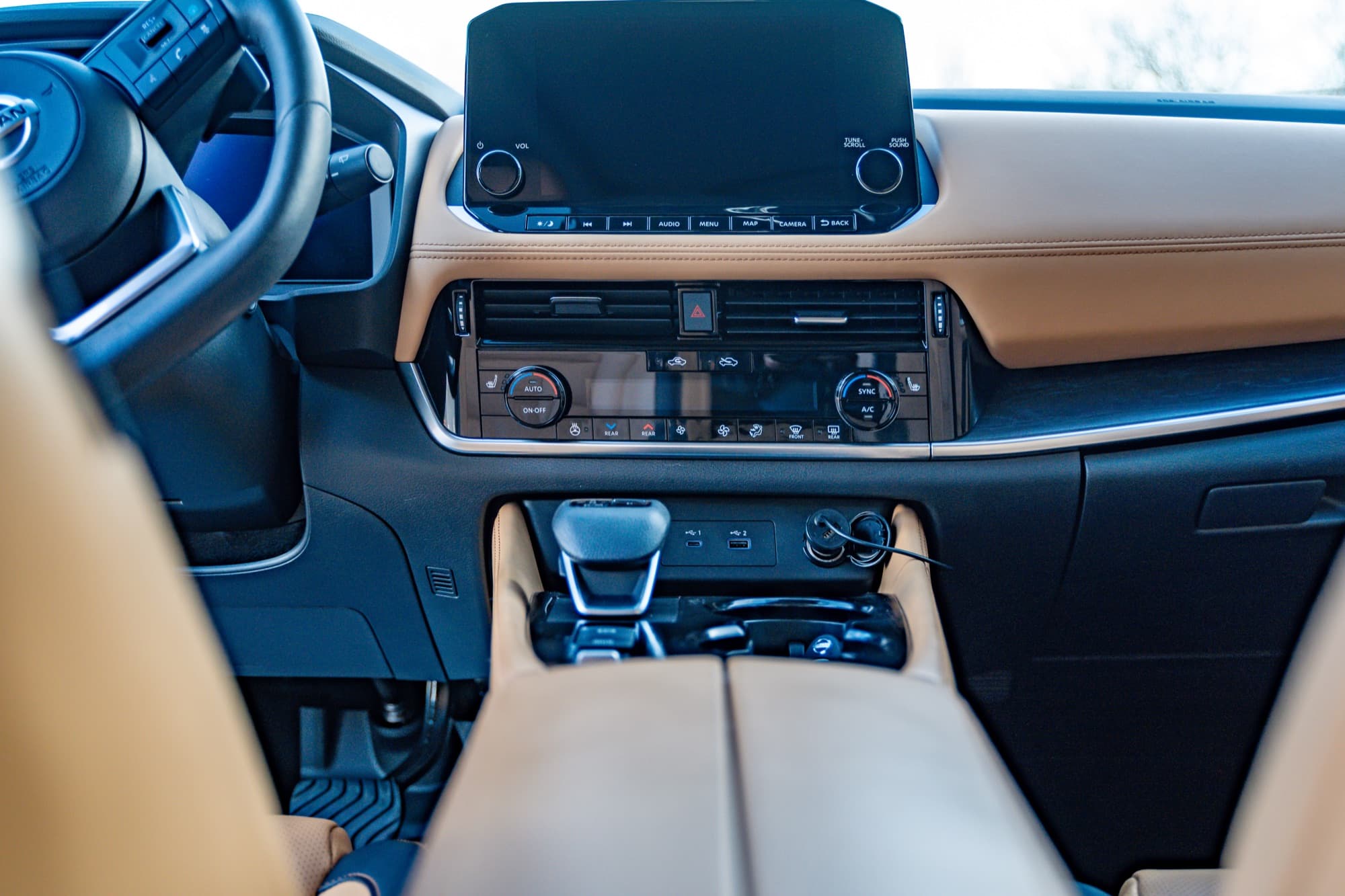
Clean dashboard and center console of a modern SUV

Aftercare

Your first days with new tint

Film is applied wet and dries in place. Your care sheet from pickup comes first if it says otherwise.

Keep the windows up

Leave tinted windows rolled up until the film has dried, often a few days and longer in cool, damp weather. Warm, sunny days speed it up.

Haze is normal

A little haze or small water pockets in the first days are moisture still leaving the film. They clear on their own. Do not press them out.

After it dries

Clean the inside of the glass with a soft cloth and a non-abrasive cleaner. Keep seat belt buckles, rings, pet claws and ice scrapers off the film.

The full aftercare guide

Plain terms

What the film warranty covers

LLumar states that its automotive tint products carry a manufacturer’s lifetime limited warranty, with restrictions, and that the installing dealer provides the details. We go over the terms for your film when you book.

Film warranties are written to cover defects in the film itself, such as bubbling, peeling, delamination or discoloration. They do not cover damage from use, like scratches from a seat belt buckle or a cargo box. If something looks wrong after the film has dried, call us and we will take a look.

From a customer

“From window tinting to ceramic coating to just plain detailing”

Read more customer reviews

Nick Parker, owner of The Auto Show Detailing

Who does the work

Applied by Nick Parker

LLumar Authorized Film Installer

The Auto Show is owned and run by Nick Parker, who has more than ten years of hands-on experience in detailing and vehicle protection and is LLumar PPF trained. The shop is an authorized LLumar installer, and every job starts with a legal shade check for your vehicle before any film goes on.

More about Nick and the shop

From the shop

Tint work in our Anderson shop

Film being cut and installed on Metro Drive, and a few of the vehicles that have been through the shop.

  • Installer positioning window film on a sheet of glass
    Cutting window film
  • Installer heat-forming window film with a heat gun
    Window tint on a Mercedes
  • Installer fitting window film inside the door of a Ford F-150
    Window tint on a Ford F-150
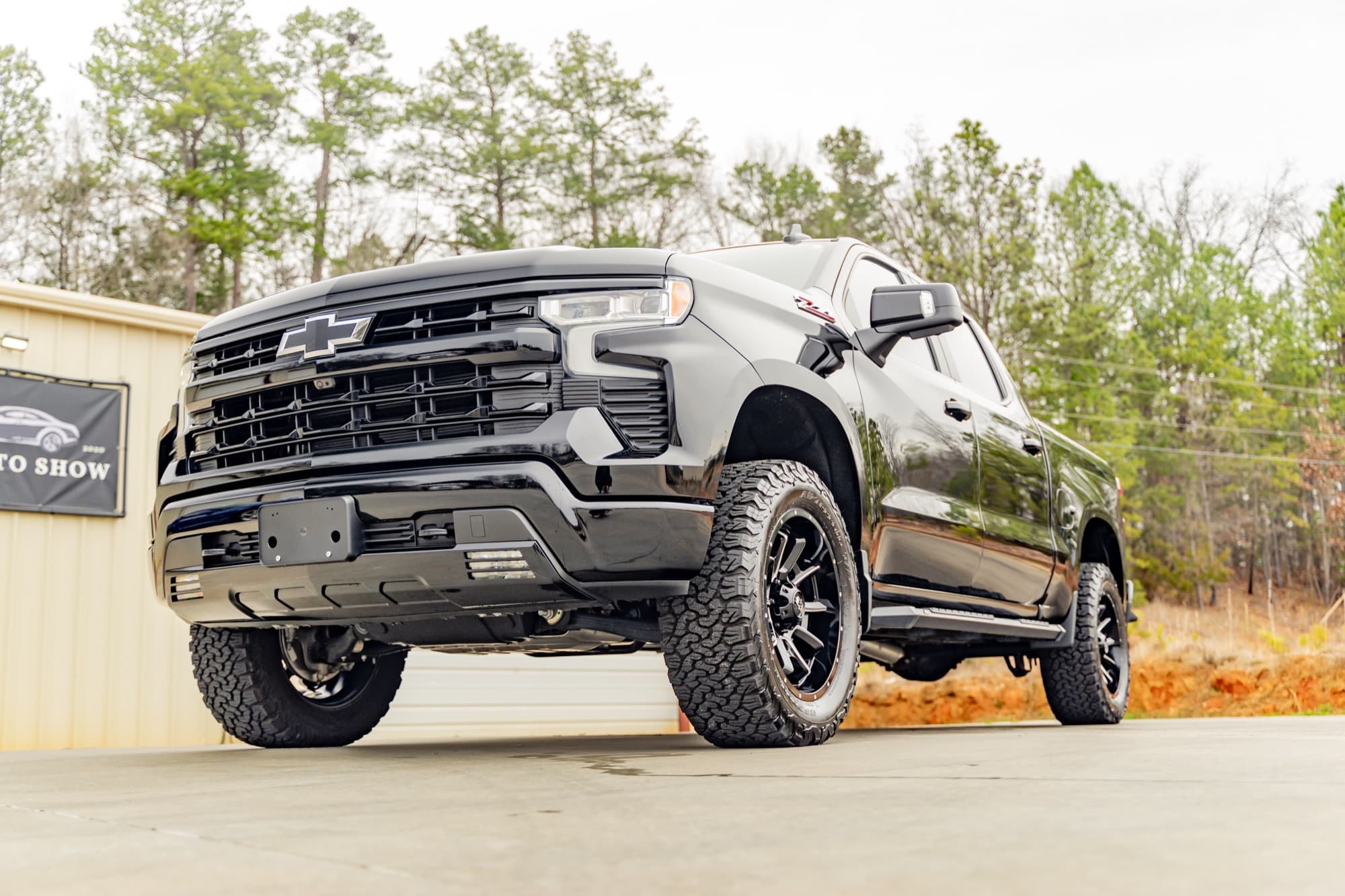
  • Black Chevrolet Silverado pickup outside the shop
    2022 Chevrolet Silverado
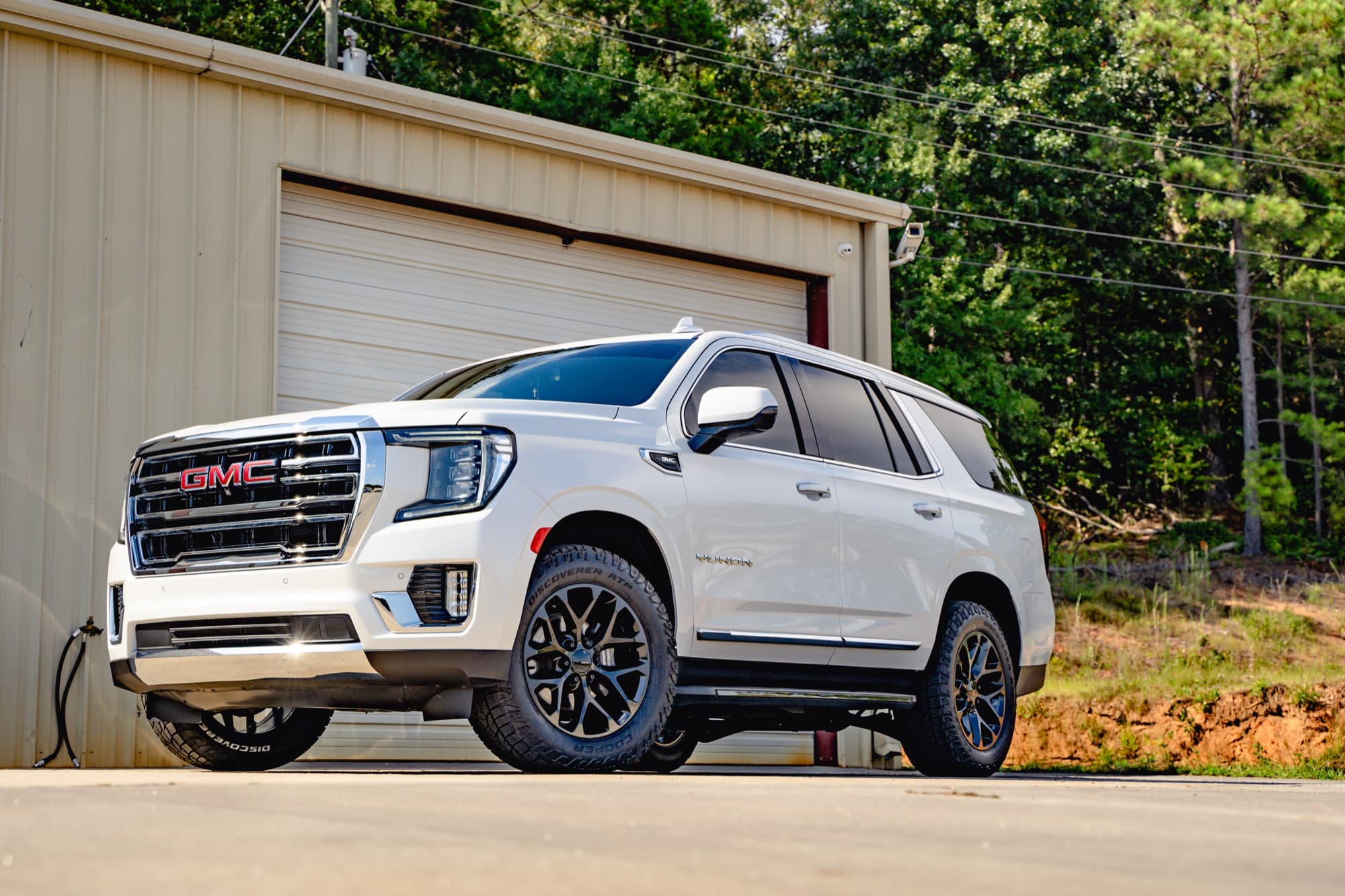
  • White GMC Yukon outside the shop
    GMC Yukon
  • Clean dashboard and center console of a modern SUV
    Dashboard and console detail

See all of our work

Tint questions and South Carolina law

How dark can I go in South Carolina?

Under S.C. Code § 56-5-5015, film on the front side windows, the rear side windows and the back glass must let through at least 27% of light, measured together with the factory glass. Film on the windshield is only allowed along the top, above the AS-1 line. Film must not be reflective, red, yellow or amber.

Factory privacy glass already reduces light, so the legal film shade depends on your vehicle. We check it before installing.

Is there an exemption for medical reasons?

The law exempts a vehicle registered to a person with a physician’s or optometrist’s affidavit for a qualifying condition. Bring the paperwork and ask us before you book.

Do you tint older vehicles?

We do not tint vehicles more than 8 years old. With age, door seals and trim become brittle and are likely to break during installation.

Carbon or ceramic?

Both block UV and reduce glare. Ceramic film rejects more of the sun’s infrared heat, so the cabin cools faster and stays cooler, even with a lighter shade. Carbon is the more affordable choice if you mainly want the look and privacy.

Will I get a compliance sticker?

Yes. South Carolina requires a certificate of compliance on each tinted window, showing the light transmission, the installer and the date.

How long before I can roll the windows down?

Keep the tinted windows up until the film has dried. That is often a few days, and longer in cool, damp weather. We tell you what to expect for your vehicle when you collect it.

Will tint interfere with my phone, GPS or toll tag?

Not with the films on our menu. The carbon and ceramic films we install contain no metal. Metallized film is the type that can weaken GPS, radio and toll tag signals.

Book window tint

Choose a film online, or call to talk through shades for your vehicle.