
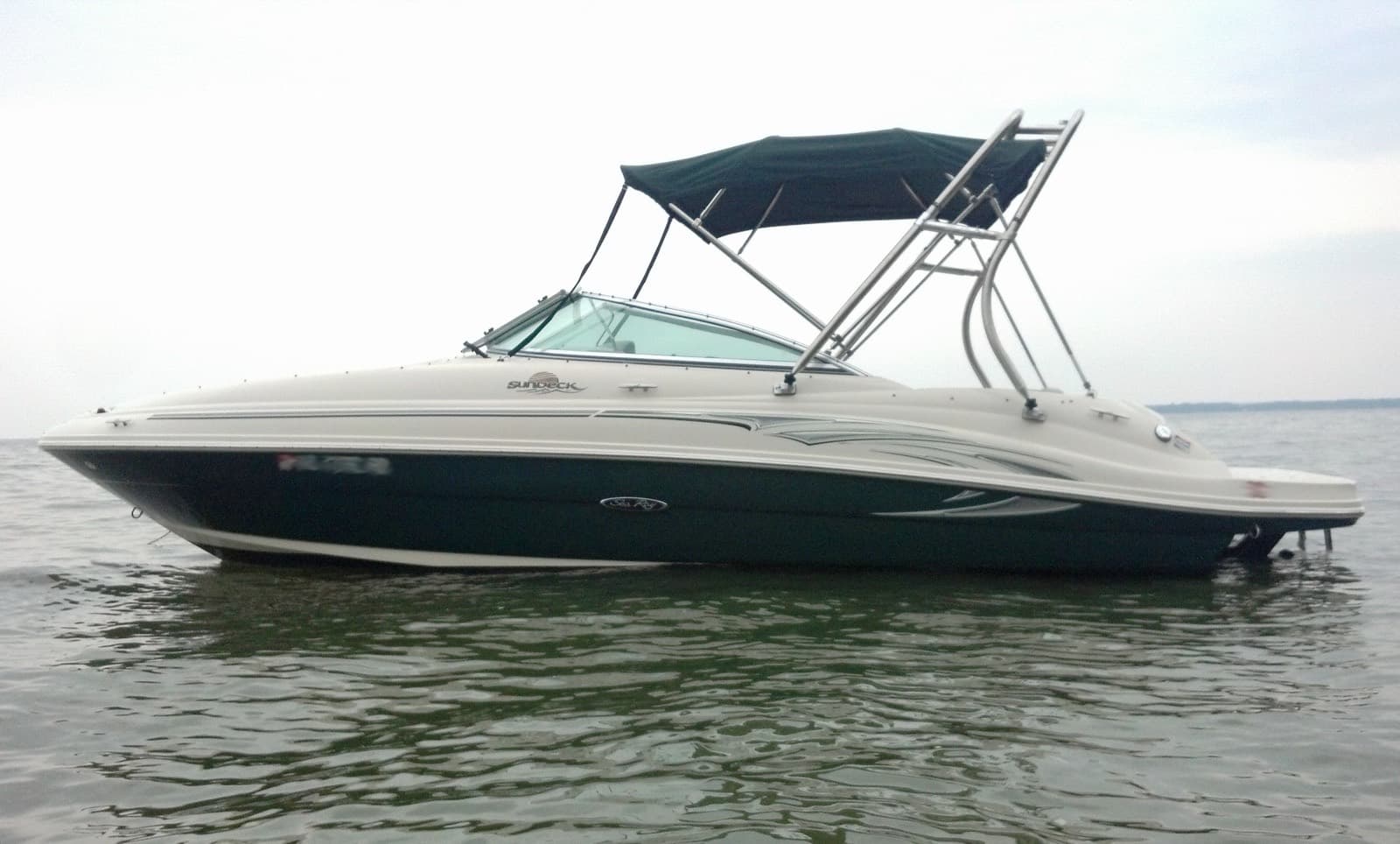
Boat Detailing Guide: Get It Done
When to Book Boat Detailing on Lake Hartwell
On Lake Hartwell, nearly 56,000 acres of Corps of Engineers water on the South Carolina and Georgia line, the boating year has a shape. Covers come off in spring, the lake gets busy from late spring through the long, humid summer, and boats go into storage in the fall. When you have the boat detailed matters as much as whether you do: the same polish lasts longer when it goes on before the sun season than after it.
This page lays out the windows that make sense for most Upstate boats, what each one is for, and how our scheduling works. The short version: boat work at The Auto Show is scheduled around our vehicle appointments, so ask early in spring.
The short answer
For most Lake Hartwell boats, the best times for a detail are before the first launch in spring, so the boat starts the season clean and protected, and again before storage in the fall, so dirt and mildew do not sit on it all winter. A mid-season detail helps boats kept in the water or uncovered. At The Auto Show, boat work is scheduled around vehicle appointments, so ask early in spring.
Key points
- Before the first launch: start the season with clean, polished and protected gelcoat and clean seats.
- Before storage: remove dirt, stains and moisture so they do not sit on the boat all winter.
- Mid-season: worth it for boats in a wet slip, uncovered on a lift or used heavily.
- Boat work is scheduled around our vehicle appointments, so ask early in spring.
- If you have a deadline, like a lake weekend or a sale, put the date in your quote request.
The year
What an Upstate boating year does to a boat
South Carolina summers are dominated by the Bermuda high, which, as the State Climatology Office describes it, pulls warm, moist air inland from the ocean. For a boat, that means months of strong sun on the gelcoat and vinyl, plus humidity that turns any trapped moisture into mildew. Winters in the Upstate are milder, with some freezing days, and many boats sit under covers for months.
UV exposure is highest around midday in the warm months; the EPA's UV guidance notes that when your shadow is shorter than you are, UV levels are higher. A boat at anchor on Hartwell for a summer afternoon gets hours of that. Gelcoat oxidizes, colors fade and vinyl dries out fastest in exactly the months the boat is used most.
Spring
Before the first launch
This is the most popular window, and for good reason. A boat that comes out of winter storage usually has dust, pollen, mildew spots and whatever the cover trapped. Polishing the gelcoat and protecting it before the summer sun means the protection is working through the months that do the most damage.
It is also when everyone else is thinking the same thing. Because boat work is scheduled around our vehicle appointments, spring dates go first. Ask early, ideally well before the weekend you want to be on the water, and say in your request if you are aiming for a particular date.
- Good for: oxidation polishing and protection, seats and mildew from storage, brightwork, windshield and clear vinyl.
- Pair it with: your mechanical commissioning at a marine service shop, which is a separate trade.
- Ask early: spring is the busiest time to request boat work.
Summer
Mid-season
Not every boat needs a mid-season detail, but some clearly benefit. A boat kept in a wet slip all summer builds a waterline. One kept on an uncovered lift takes full sun every day. A family boat used every weekend collects sunscreen, food and drink stains on the seats faster than a quick rinse can deal with.
A mid-season visit can be narrower than a full detail: the waterline, the seats and a protection top-up, for example. Tell us what you want done in your request, and we quote that scope.
Fall
Before storage
Dirt, sunscreen, bird droppings and damp left on a boat over the winter have months to set in. A detail before the cover goes on means the boat goes into storage clean, dry and protected, and comes out in spring needing less work.
Mechanical winterization, shrink-wrapping and engine work are separate trades; plan the detail so the boat is clean before it is wrapped or covered. Sea Ray stresses ventilation during storage to keep mildew down, so whatever you cover with, make sure air can move.
- Good for: seats and carpet before they sit, waterline, a final protection coat, lockers and cabin.
- Before storage: make sure the boat is completely dry, then cover it with ventilation.
- Timing: after your last trip of the year, before winterization and covering.
Special cases
Other times a detail makes sense
- Before selling
- A clean, polished boat photographs and shows better. Allow time for the detail before you list it. Detailing before a sale
- After buying a used boat
- Start with a clean baseline and find out what condition the gelcoat and vinyl are really in. Used boat cosmetic check
- Before a coating
- Coatings go over freshly polished gelcoat. If you are thinking about one, ask in your quote request whether we recommend it for your boat.
- Before an event
- A family reunion on the lake, a wedding party or a big tournament weekend. Put the date in the request.
Do not wait
Signs your boat should not wait for the next window
The calendar is a guide, not a rule. Some problems get harder and more expensive to deal with the longer they sit, and it is worth asking for a quote as soon as you see them rather than waiting for spring or fall.
- A dark cloth wiped on the hull comes away chalky: oxidation is progressing, and heavier oxidation takes more work to remove.
- Mildew spots are spreading on the seats or the boat smells musty when you take the cover off.
- Pink or orange stains have appeared on the vinyl; the sooner they are dealt with, the better the odds.
- The waterline has gone from a faint tint to a distinct brown band.
- Rust spots are showing on stainless rails, cleats or the windshield frame.
Scheduling
How scheduling works with us
Request a quote
Use the form on our boat detailing page or call (864) 202-6934. Include the make, model and length, what you want done, its condition and where it is kept.
Mention your date
If you have a deadline, say so. It helps us tell you honestly whether it is realistic.
We reply
We reply with a recommendation and a price, and confirm whether the boat needs to come to the shop and how the work will be scheduled.
Send photos
Email photos after our reply; the form cannot take attachments.
Confirm the timing
Boat work is fitted around our vehicle appointments, and we confirm the timing with you directly.
| Window | Why | Typical focus |
|---|---|---|
| Late winter to early spring | Before the first launch and the sun season | Polish and protect gelcoat, seats, brightwork |
| Summer | Wet slips, uncovered lifts, heavy use | Waterline, seats, protection top-up |
| Fall | Before storage and covering | Seats, carpet, lockers, waterline, protection |
| Any time | Sale, purchase, coating or event | Depends on the goal |
Boat work is scheduled around vehicle appointments; ask early in spring.
Planning your spring launch?
Ask early: boat work is scheduled around our vehicle appointments. Send the boat details and your target date.
Common questions
How far ahead should I book boat detailing in the spring?
Earlier than you think. Boat work at our shop is scheduled around vehicle appointments, and spring is when most owners want the boat done. Send your quote request as soon as you know you want the work, and put your target date in the message. We reply with a recommendation, a price and how the work will be scheduled.
If I can only detail my boat once a year, should it be fall or spring?
Both have a job. A fall detail stops dirt, stains and moisture from sitting on the boat all winter, so spring takes less work. A spring detail puts fresh protection on the gelcoat right before the sun season. If you can only do one, boats stored outside or damp often gain more from fall; boats stored dry and covered often gain more from spring.
Can I get my boat detailed in the middle of summer?
Yes, ask us. A mid-season detail is useful for boats in a wet slip, on an uncovered lift or used every weekend. It can be a narrower scope, like the waterline, seats and a protection top-up. Send the details in a quote request and we reply with a recommendation and how the work would be scheduled.
Should I detail my boat before or after winterizing it?
Plan the detail for after your last trip of the year and before the boat is covered or shrink-wrapped, so it goes into storage clean and dry. Mechanical winterization is a separate trade, so coordinate the timing with your marine service shop. Whatever the order, make sure the boat is completely dry and ventilated before it is closed up.
Sources
- South Carolina Climate, South Carolina State Climatology Office, SCDNR (https://www.dnr.sc.gov/climate/sco/ClimateData/cli_sc_climate.php), accessed October 2026
- UV Index Scale, U.S. EPA (https://www.epa.gov/sunsafety/uv-index-scale-0), accessed October 2026
- How to Keep Your Sea Ray Looking Sharp: Vinyl Maintenance Tips, Sea Ray (https://searay.com/us/en/blog/vinyl-maintenance-tips), accessed October 2026
- Hartwell Lake: Directions and Factoids, U.S. Army Corps of Engineers Corps Lakes Gateway (https://corpslakes.erdc.dren.mil/visitors/projects.cfm?Id=K607380), accessed October 2026
Boat detailing is quoted per boat, so this guide does not list boat prices. Product directions and warranty terms come from the manufacturer: follow your boat builder’s care instructions where they differ from general advice here.