
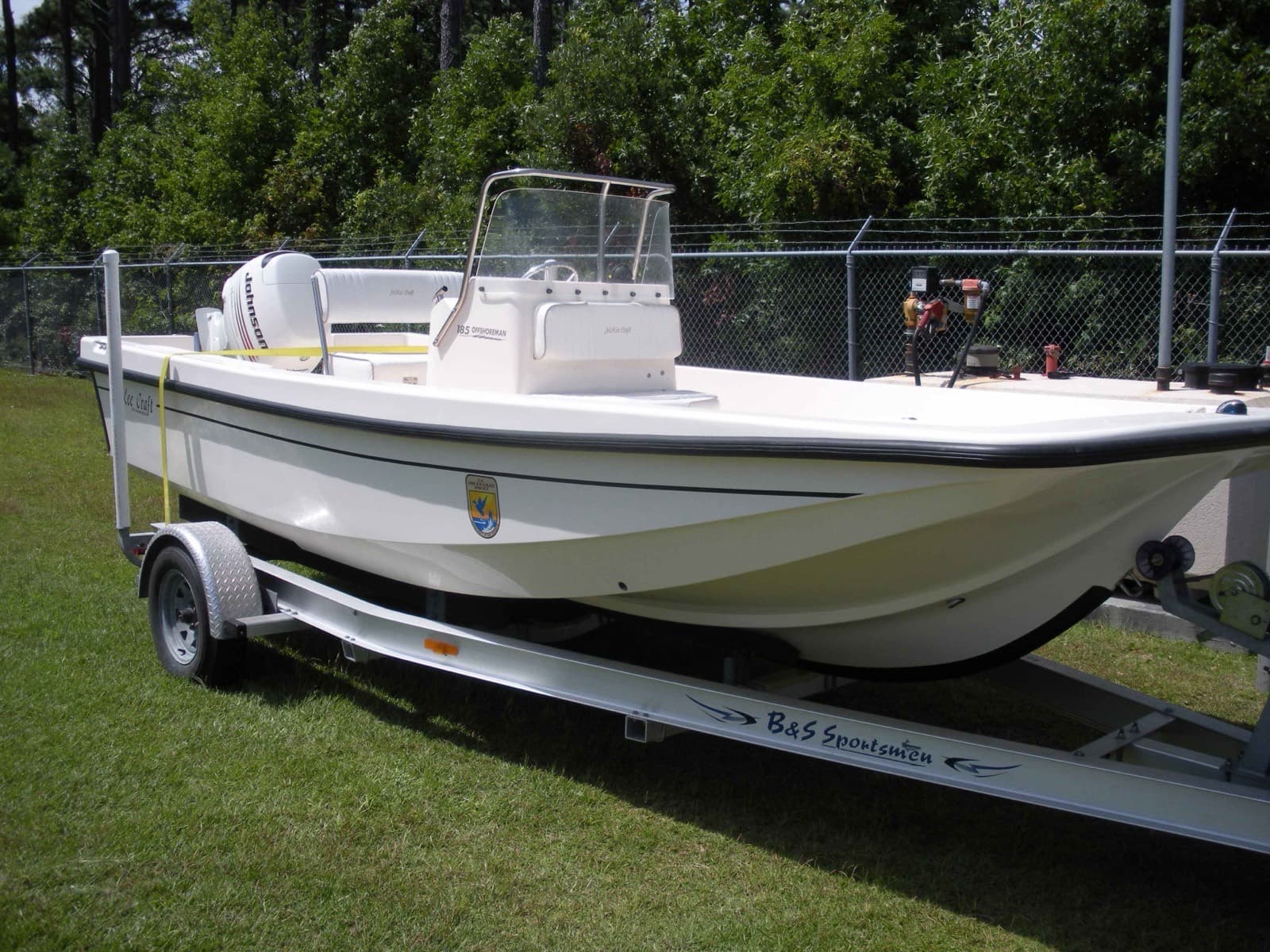
Boat Detailing Guide: Understand
How to Wash a Boat the Right Way
Washing a boat looks like the easy part of boat care, and it is the part most likely to do slow damage. The wrong soap strips protection, the wrong brush scratches gelcoat, a pressure washer opens up seat seams, and a boat left to air dry in the sun comes out spotted. Then the soapy runoff goes straight into the lake you just enjoyed.
Done right, a regular wash is the single best thing you can do to keep a boat looking good between details. Here is the method, the tools and the mistakes to skip.
The short answer
Wash a boat in shade with fresh water, a phosphate-free boat soap, soft brushes and mitts for smooth gelcoat and a stiffer deck brush for non-skid. Rinse everything first, then wash top down one section at a time using two buckets, rinse often, and dry smooth surfaces, metal and glass with clean microfiber. Clean seats with mild soap and dry seams, skip the pressure washer, and keep runoff out of the water.
Key points
- Use a phosphate-free, biodegradable boat soap sparingly; strong dish detergents strip wax and harm aquatic life.
- Different surfaces need different brushes: soft for smooth gelcoat and vinyl, stiffer for non-skid, nothing abrasive on clear plastics.
- Work top down and keep the boat wet until you dry it, so soap and minerals never dry on the surface.
- Pressure washers can force water into seams and damage vinyl, canvas, decals and caulking; a hose nozzle does the job.
- Dry it, then air it out: water spots form on gelcoat and glass, and mildew starts in damp seams and lockers.
Soap
Boat Soap vs Dish Soap
Dish detergent is designed to strip grease, and on a boat it strips the wax or sealant you put on the gelcoat too. It also leaves the surface squeaky clean in a way that invites the next layer of dirt and UV damage. A dedicated boat soap is formulated to lift lake film, pollen and grime without removing protection.
The environmental side matters on a lake. The New Jersey Clean Marina program recommends washing with plain water and a sponge first, adding elbow grease for stains, and using phosphate-free, biodegradable, non-toxic soaps sparingly when soap is needed, because even non-toxic products can harm wildlife. It notes that detergents destroy the natural oils on fish gills. The same tip sheet lists ingredients to avoid: ammonia, sodium hypochlorite (bleach), chlorinated solvents, petroleum distillates and lye.
Grady-White's owner advice lines up: gentle products made for fiberglass, nothing harsh like bleach.
Tools
Brushes, Mitts and Towels
- Soft wash brush on a poleSmooth gelcoat, hull sides, canvas
- Lets you reach the hull, tower and bimini without leaning on the boat. Soft bristles clean without scratching.
- Microfiber or wool wash mittSmooth gelcoat and painted areas
- Gentlest option for gloss areas you will see up close, such as hull sides near the bow.
- Medium deck brushNon-skid only
- Needed to reach the bottom of the non-skid pattern. Grady-White recommends a deck brush on non-skid and non-abrasive sponges and microfiber on smooth surfaces. Keep it off smooth gelcoat. Cleaning non-skid
- Soft detail brush or toothbrushSeams, piping, snaps
- Sea Ray suggests an old toothbrush to loosen dirt in vinyl stitching.
- Microfiber towels and drying towelSorted by surface
- Separate towels for gelcoat, vinyl, metal and clear plastics, so grit from one never ends up on another.
- Hose nozzleInstead of a pressure washer
- A good adjustable nozzle with a gentle shower and a firmer stream covers almost everything.
Set up
Before You Wet the Boat
- Pick shade or a cool time of day. Soap and hard water dry fast on a hot hull and leave spots and streaks.
- Put the boat on its trailer on grass or gravel if you can, rather than pavement that drains to a storm sewer. Washing at the dock sends everything straight into the lake.
- Remove loose gear, cushions that come out, ropes and fenders, and open lockers so you can rinse them if needed.
- Fill two buckets: one with boat soap solution and one with plain rinse water. A grit guard in each helps.
- Close or cover anything that should not get soaked: electronics, open hatches over storage you do not plan to wash, ignition.
The method
Step by Step: Washing the Boat
Rinse everything first
Flood the whole boat from the top down to float off grit, pollen and spider debris before any brush touches it. Most scratching comes from scrubbing dry dirt.
Start with canvas and the tower
Bimini, tower, frames and windshield frame first, so their runoff falls onto surfaces not yet washed. For canvas, Sunbrella recommends a mild soap solution, a soft brush and a thorough rinse, then air drying only.
Wash smooth gelcoat in sections
Dip the mitt or soft brush in soap, wash a small area with straight overlapping strokes, rinse the mitt in the rinse bucket, then reload with soap. Rinse each section before it dries.
Scrub non-skid
Switch to the deck brush. Work the texture in two directions, then rinse until no soap film is left in the pattern.
Seats and interior
Mild soap and water on vinyl with a soft brush, toothbrush in the seams, then rinse lightly. Do not flood cushions, and never use bleach or ammonia cleaners on them.
Hull sides and transom
Wash the hull sides and transom, then as far down the hull as you can reach on the trailer. Note any waterline staining or rust streaks to treat separately.
Final rinse
Rinse the whole boat top down one last time with a gentle shower, letting water sheet off rather than blasting it.
Dry immediately
Dry smooth gelcoat, windshield, stainless and chrome with clean microfiber or a drying towel. Blot vinyl seams and piping; Sea Ray warns not to rely on air drying because moisture trapped in thread and piping leads to mildew.
Open up and ventilate
Leave lockers, seat bases and hatches open until everything inside is dry, then close up. Cover only a dry boat.
Pressure washers
Why the Pressure Washer Stays in the Garage
A pressure washer feels like a time saver, and on a boat it is mostly a risk. MasterCraft warns against cleaning upholstery with power washers, noting they can generate 3,500 PSI, and Sea Ray says never to use one on vinyl. That pressure forces water into seams and foam, lifts stitching, and wears the protective top coat.
The same force can strip the water-repellent finish from canvas, lift decals and graphics, drive water past hatch seals and caulking, and raise the grain on teak. On weathered gelcoat it can erode the chalky surface unevenly. A good hose nozzle and a soft brush clean just as well with none of those risks. If you do use a pressure washer anywhere, keep it to a wide fan, low pressure and well away from seats, canvas, decals and seals.
Water spots
Drying and Water Spots
Water spots are minerals left behind when water evaporates. Well water, some municipal water and lake spray all carry dissolved minerals, and a hot gelcoat or windshield bakes them on fast. Fresh spots wipe off; spots left for weeks can etch into gelcoat and glass and need polishing.
The fix is simple: wash in shade, keep the surface wet until you dry it, and dry promptly. A soft drying towel or blade on large smooth areas, microfiber on glass and metal. For clear vinyl curtains, rinse and blot rather than wipe, since wiping a dusty or drying surface scratches it.
Runoff
Keeping Wash Water Out of the Lake
On a lake, where you wash is part of how you wash. Soap, scrubbed-off grime, residue from old wax and any spot cleaners all end up in the runoff. The New Jersey Clean Marina tip sheet advises using cleaning products sparingly and never disposing of cleaning products through a through-hull drain; dispose of them ashore.
Washing the boat on its trailer on grass or gravel lets the ground filter runoff instead of sending it to a storm drain or the lake. Even on a home dock, a bucket of soapy water poured off the side goes straight in, so dump it on land away from the shore. Sunbrella, whose mildew recipe uses diluted bleach, itself advises against using bleach when surrounded by a body of water.
At the ramp
The Ramp Rinse: Clean, Drain, Dry
A wash at home also does a job for the lake. South Carolina's Department of Environmental Services asks boaters to clean boats, trailers and gear after leaving any body of water, drain water from all equipment including livewells and bilges, and dry everything before entering another waterway. Pulling plant fragments off trailer bunks and props at the ramp, then rinsing the boat and trailer at home, covers most of it.
If you trailer to more than one lake, from Hartwell to Keowee or Russell for example, make the clean, drain and dry routine a habit, not an occasional extra.
| Surface | Use | Skip |
|---|---|---|
| Smooth gelcoat | Boat soap, soft mitt or brush, drying towel | Dish detergent, scouring pads, air drying in sun |
| Non-skid | Boat soap and a deck brush | Wax or polish afterward |
| Vinyl seats | Mild soap, soft brush, toothbrush in seams, blot dry | Bleach, ammonia cleaners, degreasers, pressure washers |
| Canvas and bimini | Mild soap, soft brush, rinse, air dry | Pressure washers, heat, routine bleach |
| Clear vinyl and acrylic | Flood with water, plastic-safe cleaner, soft microfiber | Dry wiping, paper towels, ammonia glass cleaner |
| Stainless and chrome | Soap and water, rinse, wipe dry | Chlorine or bleach cleaners |
When Washing Is Not Enough
If the gelcoat is chalky, the waterline is brown or the seats are stained, a wash will not fix it. The Auto Show quotes boat detailing individually; send the make, model, length and condition.
Common questions
Can I wash my boat with dish soap?
It will get the boat clean, but it is a poor choice. Dish detergents are degreasers that strip wax and sealant from gelcoat, leaving it more exposed to sun and stains, and they are harmful to fish if runoff reaches the water. Use a phosphate-free, biodegradable boat soap, and use it sparingly.
Should I wash my boat in the water or on the trailer?
On the trailer, on grass or gravel, whenever possible. You can reach more of the hull, the ground filters the runoff, and nothing goes straight into the lake. If the boat lives in a slip or on a lift, rely on plain water and a brush for routine cleaning and use soap sparingly, following your marina's rules.
Is it OK to let my boat air dry?
It is better not to. Air drying in the sun leaves mineral water spots on gelcoat, glass and stainless, and water left in vinyl seams, piping and closed lockers is where mildew starts. Dry the smooth surfaces and metal with clean microfiber, blot the seats, then leave compartments open until they are dry.
What do I use to clean my boat's clear vinyl windows?
Flood them with fresh water first to float off dust and grit, then use a cleaner made for clear vinyl or plastic and a clean, soft microfiber, blotting rather than scrubbing. Never wipe them dry, and avoid ammonia glass cleaners and paper towels, which scratch and cloud clear plastics over time.
Sources
- Clean Boating Tip Sheet 1, New Jersey Clean Marina Program and New Jersey Sea Grant (https://www.nj.gov/dep/njcleanmarina/docs/tipsvesselcleaning.pdf), accessed October 2026
- Keep Shipshape: Customer Tips, Grady-White Boats (https://www.gradywhite.com/customer-tips/keep-shipshape), accessed October 2026
- Vinyl Maintenance Tips, Sea Ray (https://searay.com/us/en/blog/vinyl-maintenance-tips), accessed October 2026
- Upholstery Vinyl Care, MasterCraft Knowledge Center (https://www.mastercraft.com/knowledge-center/upholstery-vinyl-care/), accessed October 2026
- Clean Sunbrella Marine Canvas, Sunbrella (https://global.sunbrella.com/en-us/how-to-clean/clean-sunbrella-marine-canvas), accessed October 2026
- Protecting South Carolina's Waters, South Carolina Department of Environmental Services (https://des.sc.gov/blog/scdes-sewe-2025-protecting-south-carolinas-waters), accessed October 2026
Boat detailing is quoted per boat, so this guide does not list boat prices. Product directions and warranty terms come from the manufacturer: follow your boat builder’s care instructions where they differ from general advice here.