
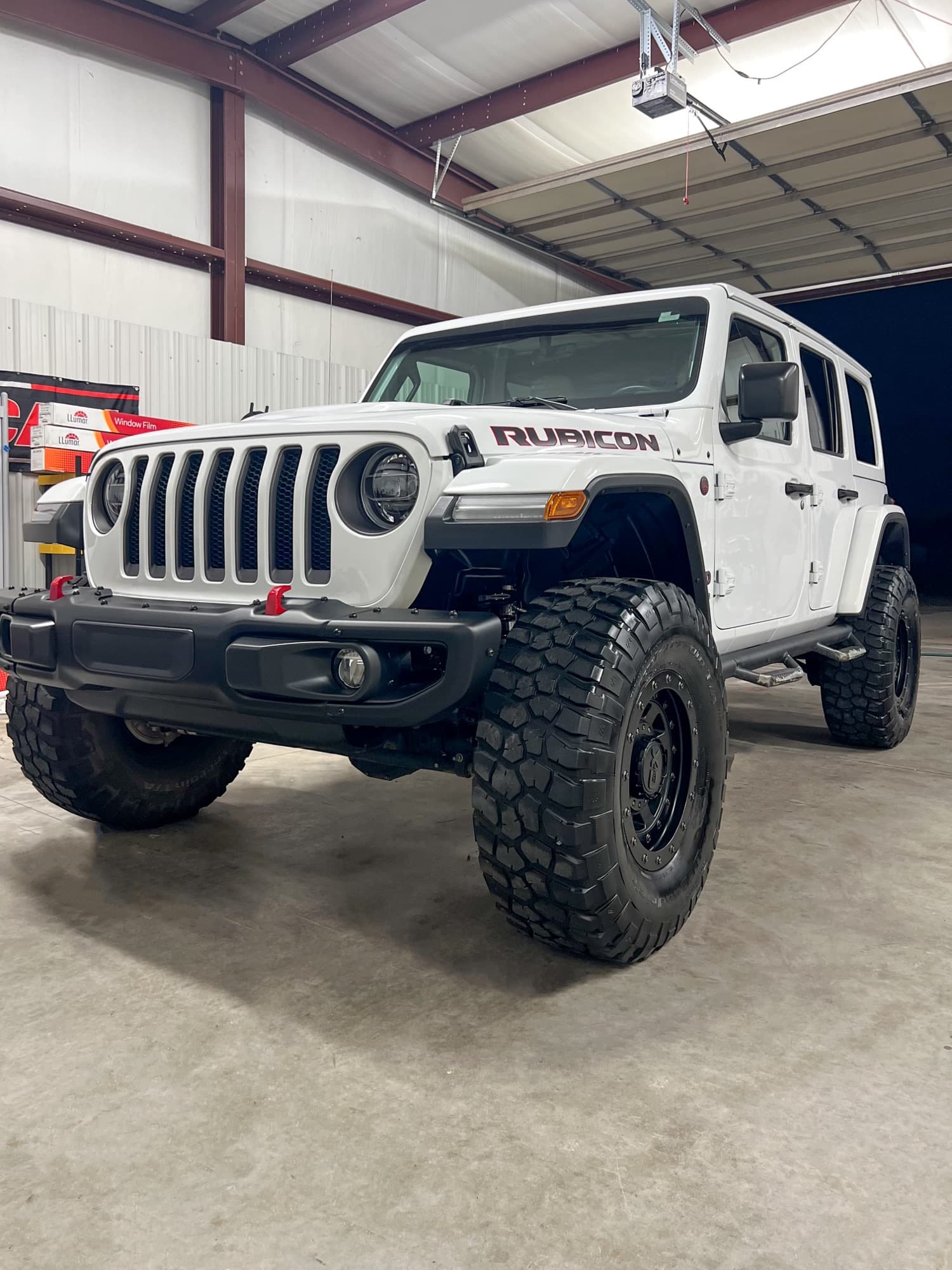
Ceramic Coating & PPF Guide: Understand
Car Paint Care in Upstate South Carolina: A Year-Round Guide
Paint care advice is usually written for nowhere in particular. The Upstate has its own calendar: a yellow coat of pine pollen every spring, long humid summers in the 90s, evening bug swarms on the highway, red clay that finds every crevice, and a handful of winter mornings when the roads are sprayed with brine.
This guide walks through the year season by season, with what each one does to your paint and the simple habits that keep a car looking good from Anderson and Clemson to Greenville and the lake.
The short answer
In the Upstate, plan paint care around the seasons. Rinse pine pollen off often in late March and April instead of wiping it. In summer, wash in the shade, remove bugs and bird droppings quickly and keep protection on the paint against heat and UV. In fall, clear wet leaves and sap. After winter brine treatments, rinse the underbody. Decontaminate and renew protection in early spring and early fall.
Key points
- Spring pollen is mostly pine and peaks from late March through April; rinse it, never dry-wipe it.
- Summer is the hardest season on paint: Greenville-Spartanburg's normal July high is about 90°F, and dark paint in sun gets far hotter than the air.
- Bugs, bird droppings and water spots do more damage in heat, so speed matters more from May through September.
- SCDOT sprays salt brine on Upstate roads before winter storms; rinse the underbody after each event.
- Two decontamination and protection checkpoints a year, early spring and early fall, cover most cars.
Late winter
February and March: Get Ready for Pollen Season
Late winter is the best time to set up the car for the year. Temperatures are mild, the bugs are gone and pollen has not started. A proper wash, iron remover, clay and a fresh sealant or coating now means spring pollen and summer grime have a slick surface to land on instead of bare clear coat.
Check the lower panels and rocker panels for winter road film and red clay staining, and the front end for chips from winter driving. Chips into primer are easier to touch up in mild weather than in summer heat.
- Full decontamination: wash, tar remover, iron remover, clay.
- Renew protection: sealant, booster on an existing coating, or book a coating or film install before pollen starts.
- Touch up rock chips that reach primer or metal.
- Replace worn wiper blades before spring storms.
Spring
Late March to April: Pine Pollen Season
Clemson Extension's Home & Garden Information Center describes the yellow-green coating on cars, mailboxes and outdoor furniture from late March through April as mostly pine pollen, produced in huge amounts because pines rely on wind to carry it. A Clemson Extension radio segment adds that pines release pollen for about two months, mostly on sunny, breezy mornings.
Pollen is not the paint-eating menace some claim, but how you remove it matters. The grains and the grit mixed in with them scratch when dragged across paint, so wiping a pollen-covered car with a towel or your sleeve is a quick way to add swirls. Rinsing it off is safe; dry-wiping is not.
- Rinse pollen off every few days, at home or in a touchless wash, rather than wiping it.
- Wash properly once a week if you can, with a pH-neutral shampoo and clean mitts.
- Clean out the cowl area below the windshield, where pollen and debris collect and can clog drains.
- Change or check the cabin air filter at the end of the season.
- Pollen season in depth
- Timing, why not to dry-wipe, and how often to wash during the yellow weeks. Pine pollen season guide
Summer
May to September: Heat, UV, Bugs and Storms
Summer is when Upstate paint takes the most punishment. The 1991 to 2020 normals for Greenville-Spartanburg put the average July high at about 90°F, with humid nights near 69°F. A Lawrence Berkeley National Laboratory test found a black car's roof could run as much as 45°F hotter than a silver car's when parked in the sun, so dark paint in an open lot gets far hotter than the air temperature suggests.
Heat speeds up everything that harms paint. Bug splatter and bird droppings bake on and etch faster. Water from sprinklers, pop-up storms and lake spray dries quickly and leaves mineral spots. Wash products dry on the panel before you can rinse them. UV is strong too: the EPA advises extra protection outdoors when the UV index reaches 8 or higher, especially from late morning through mid-afternoon. Check the daily forecast index in summer and treat high readings as a reason to park in shade.
Evening drives on I-85 and the US highways plaster the front end with bugs from late spring into fall. Removing them within a day or two, with a bug remover soak rather than scrubbing, is the single most useful summer habit.
- Wash early in the morning or in the evening, in the shade, on cool panels.
- Remove bugs and bird droppings within a day or two; carry a quick detailer and a clean microfiber for emergencies.
- Park in a garage, carport or shade when you can; the roof and hood take the most sun.
- Avoid parking where sprinklers hit the car, especially with well or hard water.
- Dry the car thoroughly after a rain shower or a lake day rather than letting it air dry in the sun.
Red clay
Year-Round: Red Clay and Gravel Roads
The Upstate sits in the Piedmont, where soils like the widespread Cecil series have a red clay subsoil. That clay turns into fine red dust in dry weather and sticky red mud in wet weather, and it ends up in wheel wells, door jambs, rocker panels and the lower edges of doors.
Clay dust is abrasive like any dust, so it calls for the same rinse-first approach as pollen. Mud left to dry in seams and on lower panels can be stubborn, and on light-colored paint or trim it can leave a reddish tint if neglected. Gravel driveways and back roads add stone chips along the rockers and behind the wheels.
- Rinse wheel wells, rockers and the undercarriage after driving on dirt or gravel roads.
- Open the doors and wipe the jambs during each wash; clay collects there.
- Consider PPF on rocker panels and lower doors if you drive gravel roads regularly.
For more on clay, dust and rocker damage, see our guide to red clay and gravel roads.
Fall
October and November: Leaves, Sap and the Second Checkpoint
Fall is gentler on paint, and it is the second good window of the year to decontaminate and renew protection. The heat has eased, the bugs are fading and the winter months are ahead.
Wet leaves left sitting on paint, especially in the cowl and around the windshield, can leave stains and trap moisture. Clear them off promptly and keep drains under the hood and around the sunroof free of debris. Parking under trees also means sap, so check the roof and hood regularly.
- Remove leaves from the paint, cowl and drains every week or two.
- Remove tree sap as soon as you find it, before it hardens.
- Decontaminate and add a fresh layer of protection before winter.
- Check headlights and trim for summer UV fading.
Winter
December to February: Cold Mornings and Road Brine
Upstate winters are mild by most standards, with a normal January high near 53°F and lows right around freezing at Greenville-Spartanburg. Snow and ice are occasional rather than routine, but when they threaten, SCDOT crews spray salt brine or salt on roads, especially in the Upstate. The department starts with interstates and primary routes, and itself warns drivers to stay back from salt trucks to protect their vehicles from damage caused by salt or salt brine.
Brine clings to the underbody, wheel wells and lower panels. After a treatment event, rinse the car including the underbody once roads are clear, rather than waiting for the next scheduled wash. On cold days, wash when temperatures are above freezing so water does not freeze in door seals and locks.
- Rinse the underbody after each brine or salt event.
- Wash on milder days and dry door seals and jambs.
- Keep a coating or sealant on the paint so road film releases easily.
- Avoid waterless washes on a car covered in brine and grit; rinse it first.
Protection
Choosing Protection for Upstate Conditions
The Upstate's mix of sun, pollen, bugs and highway miles makes some protection worthwhile on almost any car you plan to keep. A sealant lasts months and is a reasonable baseline. A ceramic coating makes pollen, bugs and clay release more easily and stands up to heat and UV longer. Paint protection film is the answer for rock chips on the front end, which a coating cannot stop.
Whatever you choose, it works best with the habits above. Protection makes safe washing easier; it does not remove the need to wash.
- Ceramic coating
- Slick, chemical-resistant layer that helps pollen, bugs and grime release with gentle washing. What a ceramic coating is
- Paint protection film
- Thick, clear film on the areas that take impact, such as hood, fenders, mirrors and bumper. What PPF is
| Months | Main threat | Key habit |
|---|---|---|
| January to February | Brine, road film, cold | Rinse underbody after treatments; wash on mild days |
| Late February to March | Winter grime, chips | Decontaminate, renew protection, touch up chips |
| Late March to April | Pine pollen | Rinse every few days; never dry-wipe |
| May to June | Bugs, rising heat, storms | Remove bugs fast; wash in shade |
| July to August | Peak heat and UV, water spots | Shade parking; dry after rain or lake spray |
| September | Late bugs, sap | Keep up quick removal |
| October to November | Leaves, sap | Clear leaves and drains; decontaminate and protect |
| December | First brine events | Rinse after treatments |
Timing shifts year to year; follow the weather, not the calendar.
Set your car up for the Upstate year
Our Level 2 Detail includes iron remover, bug and tar remover, clay bar and a 6-month sealant, and it is the starting point for any ceramic coating. Book online or request a quote.
Common questions
How often should I wash my car in South Carolina?
Every one to two weeks suits most daily drivers, with extra rinses during peak pine pollen and after brine events, and faster removal of bugs and bird droppings in summer. A garaged car with a coating can go longer. The more often a car is washed gently, the less grime builds up and the less scrubbing each wash needs.
When is the best time of year to get a ceramic coating in the Upstate?
Late winter and early fall are ideal because temperatures are moderate and the car can be prepped and cured without pollen, bugs or extreme heat. That said, coatings are applied indoors, so any season works. The bigger factor is giving the coating its cure time before heavy rain, pollen or road trips.
Does humidity affect car paint?
Humidity alone does not harm healthy paint, but it keeps surfaces damp longer, which helps rust start at chips down to bare steel and slows drying after washing. It also affects coating application: IGL's data sheet for one of its coatings notes that installers must take extra care at high temperatures and humidity above 50 percent so the coating does not cure before leveling.
Is a car cover a good idea in the Upstate?
A breathable, clean cover helps a car parked outside for long periods, protecting it from sun, pollen and sap. On a daily driver it can do more harm than good: a cover put on a dusty car or flapping in wind rubs grit into the paint. Only cover a clean car, and choose a soft, breathable fabric that fits snugly.
Sources
- Why Pine Pollen Covers Everything in Spring (The "Pollening" in the South), Clemson Cooperative Extension Home & Garden Information Center (https://hgic.clemson.edu/why-pine-pollen-covers-everything-in-spring-the-pollening-in-the-south/), accessed October 2026
- Pine Trees Are Likely Not Making You Sneeze, Making It Grow, South Carolina Public Radio (https://www.southcarolinapublicradio.org/show/making-it-grow/2024-03-22/pine-trees-are-likely-not-making-you-sneeze), accessed October 2026
- July Daily Normals 1991-2020, Greenville/Spartanburg SC, National Weather Service Greenville-Spartanburg (https://www.weather.gov/media/gsp/Climate/GSP/GSPJULNORM.pdf), accessed October 2026
- January Daily Normals 1991-2020, Greenville/Spartanburg SC, National Weather Service Greenville-Spartanburg (https://www.weather.gov/media/gsp/Climate/GSP/GSPJANNORM.pdf), accessed October 2026
- Cool Colors for Cars Could Improve Fuel Economy, Reduce Emissions, Lawrence Berkeley National Laboratory (https://bies.lbl.gov/news/11089/cool-colors-for-cars-could-improve-fuel-economy-reduce-emissions), accessed October 2026
- UV Index Scale, U.S. Environmental Protection Agency (https://www.epa.gov/sunsafety/uv-index-scale-0), accessed October 2026
- SCDOT Preparing for Possible Winter Weather Impacts, South Carolina Department of Transportation (https://www.scdot.org/inside/SCDOTPress/2025/scdot-preparing-for-possible-winter-weather-impacts.html), accessed October 2026
- Official Soil Series Description: Cecil Series, USDA Natural Resources Conservation Service (https://soilseries.sc.egov.usda.gov/OSD_Docs/C/CECIL.html), accessed October 2026
- Technical Data Sheet: IGL Coatings Ecocoat EZ, IGL Coatings (https://iglcoatings.com/wp-content/uploads/2023/09/tds_ecocoat_ez_154325.pdf), accessed October 2026
Prices on this page are The Auto Show’s published starting prices and are confirmed after we inspect the vehicle. Product ratings and warranty terms come from the manufacturers.