
Ceramic Coating & PPF Guide: Compare
Protecting Classic Car Paint: Single-Stage and Older Finishes
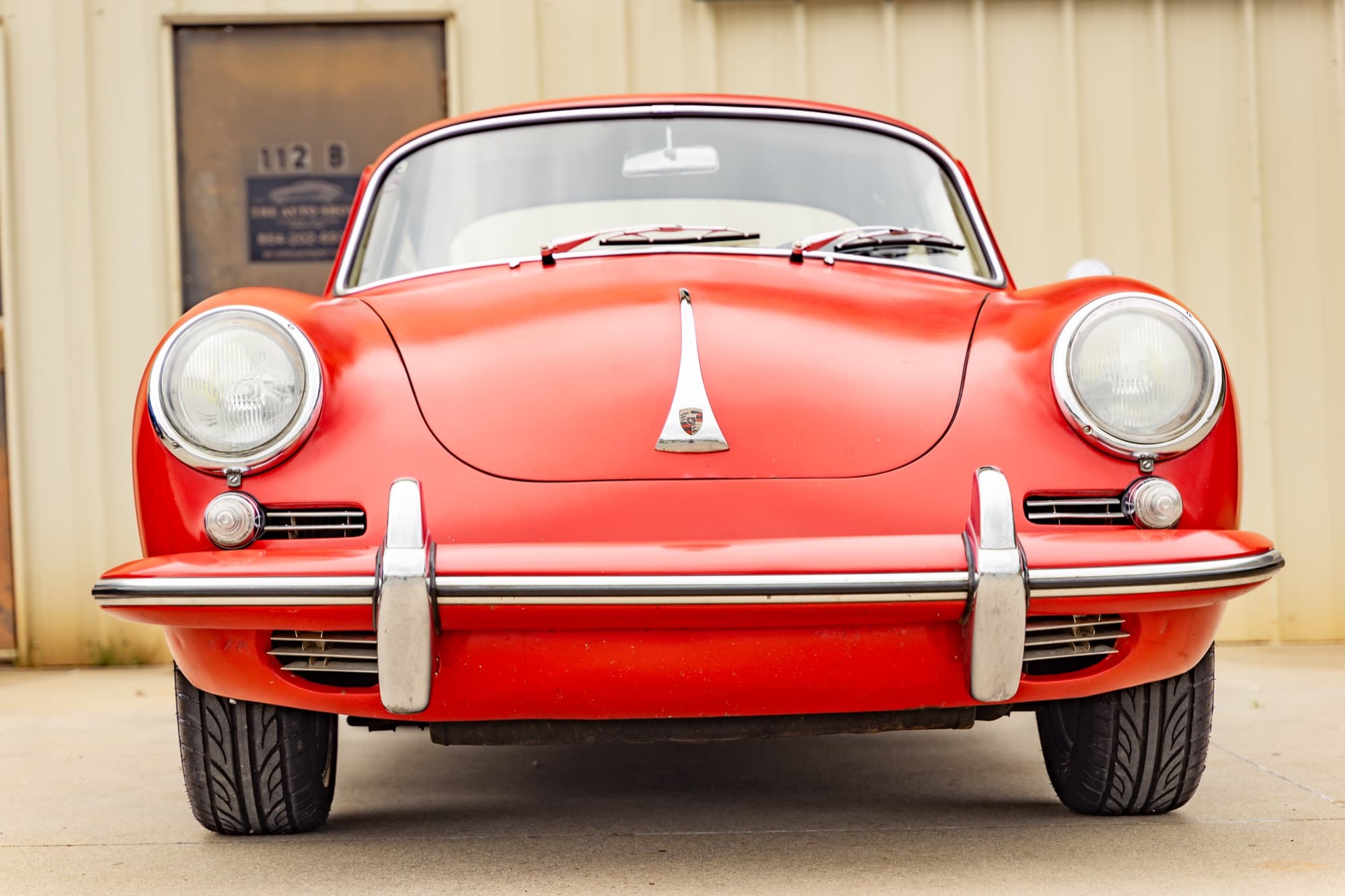
A modern car has a layer of clear coat protecting its color. Many classics don't. Their color and gloss live in a single layer of paint, sometimes a lacquer that stays sensitive to solvents for its whole life, sometimes a decades-old repaint of unknown chemistry.
That changes almost every decision: which cleaners are safe, how much polishing the paint can take, and whether a coating or film is a good idea at all. This guide walks through identifying the finish, correcting it without going too far, and choosing protection that suits a car you plan to keep for decades.
The short answer
Protect classic paint by first finding out what it is. Single-stage paint holds color and gloss in one layer, so every bit of polishing removes color, and lacquer finishes can soften under solvents. Use the gentlest correction that works, test products on a hidden spot, store the car dry and covered, and add a coating or film only after an inspection confirms the paint is sound and fully cured.
Key points
- Single-stage paint has no separate clear coat; polishing removes pigment, which is why color shows on the pad or towel.
- Lacquer dries by solvent evaporation alone and can be re-softened by solvent, so harsh cleaners and prep wipes need testing first.
- Many classics have been repainted; a paint thickness reading shows whether you're dealing with thin original paint or heavy layers.
- Correction on old paint should be the least aggressive pass that improves it, with extra care on edges and body lines.
- LLumar designs its film for original paint and does not warrant issues with repainted surfaces, so film on a repaint is a judgment call.
Know the finish
Single-Stage vs Base Coat and Clear Coat
Most cars built today use a base coat for color and a clear coat on top for gloss and protection. Older cars were usually finished with single-stage paint, where pigment and the glossy binder are one layer. Trade histories of automotive finishes trace a path from nitrocellulose lacquer, through alkyd enamels in the 1930s and acrylic lacquers in the 1950s, to basecoat and clearcoat systems arriving in the 1980s.
The practical difference is what happens when you polish. On clear coat, the pad touches only clear. On single-stage paint, the pad cuts directly into the color layer. That is why a towel turns red after polishing a red single-stage car, and why oxidized single-stage paint can look chalky and faded rather than hazy.
- LacquerNitrocellulose or acrylic
- Dries only by solvent evaporating. A trade history of finishes explains that any lacquer film can be re-softened by adding solvent, no matter how old. Treat solvent-based tar removers, prep wipes and some cleaners with caution.
- EnamelAlkyd or acrylic enamel
- Dries by solvent evaporation followed by oxidation of the resin. Fresh enamel refinishes take time to cure, which is the origin of the old advice not to wax new paint for 30 days.
- Urethane single-stageCommon on restorations
- A catalyzed, crosslinked paint that is much more chemical resistant than lacquer, but still has no separate clear coat to polish.
- Base coat and clear coatMost cars since the 1980s
- Color layer under a clear layer. Many restored classics are refinished this way for durability, which changes the correction and protection plan. Paint layers explained
Identify
How to Tell What's on Your Car
Check the history
Original paint, an older repaint, or a recent restoration each call for a different approach. Paperwork from a restorer often names the paint system.
Do the towel test on a hidden spot
Apply a small amount of light polish to a white microfiber towel and rub gently inside a door jamb or under a bumper. Color on the towel usually means single-stage. No color usually means clear coat on top.
Measure paint thickness
PPG's refinish guidance puts a typical factory finish around 90 to 120 microns, about the thickness of a human hair, and says finishes of 300 microns or more should be removed or sanded back because they are prone to cracking, chipping and delamination. Readings tell you whether there is room to polish and where previous repairs are.
Test chemicals before using them
Try any new cleaner, tar remover or prep spray on a hidden area and wait. Softening, stickiness or color transfer means stop.
Correction
Correcting Old Paint Without Going Too Far
Single-stage oxidation often responds well to polishing: the dead, chalky surface comes off and the color underneath looks rich again. The catch is that the color layer is all there is. Every pass removes pigment you can't put back, and older paint may already be thin from decades of polishing.
The safe approach is a test spot with the least aggressive pad and polish that works, followed by the same combination across the car, with extra care on panel edges, body lines and raised areas where paint is thinnest. Some defects should be left alone. A slightly imperfect original finish is usually worth more to a collector than a perfectly level one that has been thinned through.
If a scratch catches your fingernail, it has likely gone deep, and on single-stage paint that can mean through the color. Polishing won't fix it; touch-up or panel refinishing might. Ask the detailer to show you what can and can't be improved before any machine touches the car.
Protection
Coating, Film or Wax on a Classic?
- Ceramic coatingAfter inspection
- A coating bonds to clean, cured paint and makes washing easier. On sound urethane or clear coat finishes it works much as on a modern car. On lacquer or a fresh repaint, check with the painter and the installer first, and never coat over oxidation, because the coating locks in whatever is under it. Coating an older car
- Paint protection filmOriginal paint preferred
- LLumar states that its film is designed for original painted surfaces and that issues with aftermarket and repaired paint are not covered by its warranty. It also cites 30 days as the common wait before filming fresh paint. Weak or poorly bonded repaints can lift when film is removed later. PPF removal
- Wax or sealantTraditional, easy to redo
- Wax is easy to remove and reapply and suits cars that are shown more than driven. It needs frequent reapplication and offers little chemical resistance. Coating vs wax
Daily care
Washing and Storing an Older Finish
- Hand wash with a pH-neutral shampoo, a soft mitt and two buckets; never a brush car wash.
- Rinse red clay dust and pine pollen off with plenty of water before touching the paint.
- Dry with a blower or soft microfiber; old single-stage paint marks easily.
- Store the car clean and dry before covering it. A cover over dust grinds that dust into the paint.
- Upstate humidity is hard on stored cars. Choose a breathable cover and a dry garage, and let the car air out after wet drives.
- Wipe up fuel and fluid drips around the filler and hood right away; solvent-sensitive finishes do not forgive them.
Our approach
What to Expect When You Bring Us a Classic
We start with an inspection under good lighting and show you what can and cannot be removed, because results depend on paint condition and safe correction limits. Most coating work starts with at least a Level 2 Detail (from $249.99 for a 2-door), which adds iron remover, bug and tar remover, clay bar and trim restorer to the wash.
From there, a 1-Step Paint Correction (from $799.99, about 2 days) is often enough for a classic, because a single polishing stage removes less paint than a 2-step. Whether a coating or film is right comes down to what the inspection shows, and we'll tell you if we think the paint should be left as it is.
| Finish | How you can tell | Main caution |
|---|---|---|
| Lacquer (single-stage) | Color on towel; often on older originals | Can soften under solvents; polish gently |
| Enamel (single-stage) | Color on towel | Oxidizes and chalks; correction removes pigment |
| Urethane single-stage | Color on towel; common on restorations | No clear coat buffer; edges thin quickly |
| Base coat and clear coat | No color on towel | Clear coat thickness limits correction |
The towel test is a quick guide, not proof. A paint thickness reading and the car's history fill in the rest.
Have Your Classic's Paint Inspected
We'll look at the finish with you, explain what correction can and can't do on older paint, and recommend protection only where it makes sense.
Common questions
Why does my polishing towel turn the color of my car?
Because the car likely has single-stage paint. With no clear coat on top, any polish removes a little of the pigmented layer, and that color ends up on the towel or pad. It's normal for single-stage, but it's a reminder that every polishing session uses up paint you can't replace, so keep correction gentle.
Can you ceramic coat lacquer paint?
Sometimes, but it needs care. Lacquer can soften under solvents, and coating prep often involves solvent-based wipes. The paint must be clean, sound and fully cured, and the installer should test products on a hidden spot first. If the paint is fragile or recently refinished, a traditional wax may be the safer choice. Ask the painter as well as the installer.
How long should new paint cure before protection goes on?
It depends on the paint system, so follow the painter's instructions. For film, LLumar cites 30 days as the common waiting period for fresh paint to outgas. Old enamel advice was to wait 30 days before waxing. Coatings also need fully cured paint, so ask the body shop before booking.
Should I keep original paint or repaint a classic?
That's a collector and budget question more than a detailing one. Original paint in decent shape is often valued for its history, and careful correction and storage can preserve it. Paint that is cracking, peeling or worn through can't be polished back. A detailer can tell you which side of that line your car is on.
Sources
- A History of Automotive Finishes, BodyShop Business (https://www.bodyshopbusiness.com/a-history-of-automotive-finishes/), accessed October 2026
- OEM Film Builds, PPG Refinish (https://www.ppg.com/en-AU/refinish-anz/support/oem-paint-support/oem-film-builds), accessed October 2026
- Paint Protection Film Frequently Asked Questions, LLumar / Eastman Performance Films (https://www.llumar.com/en/resources/paint-protection-film-frequently-asked-questions/), accessed October 2026
Prices on this page are The Auto Show’s published starting prices and are confirmed after we inspect the vehicle. Product ratings and warranty terms come from the manufacturers.