
Ceramic Coating & PPF Guide: Compare
Paint Protection for Sports Cars and Supercars
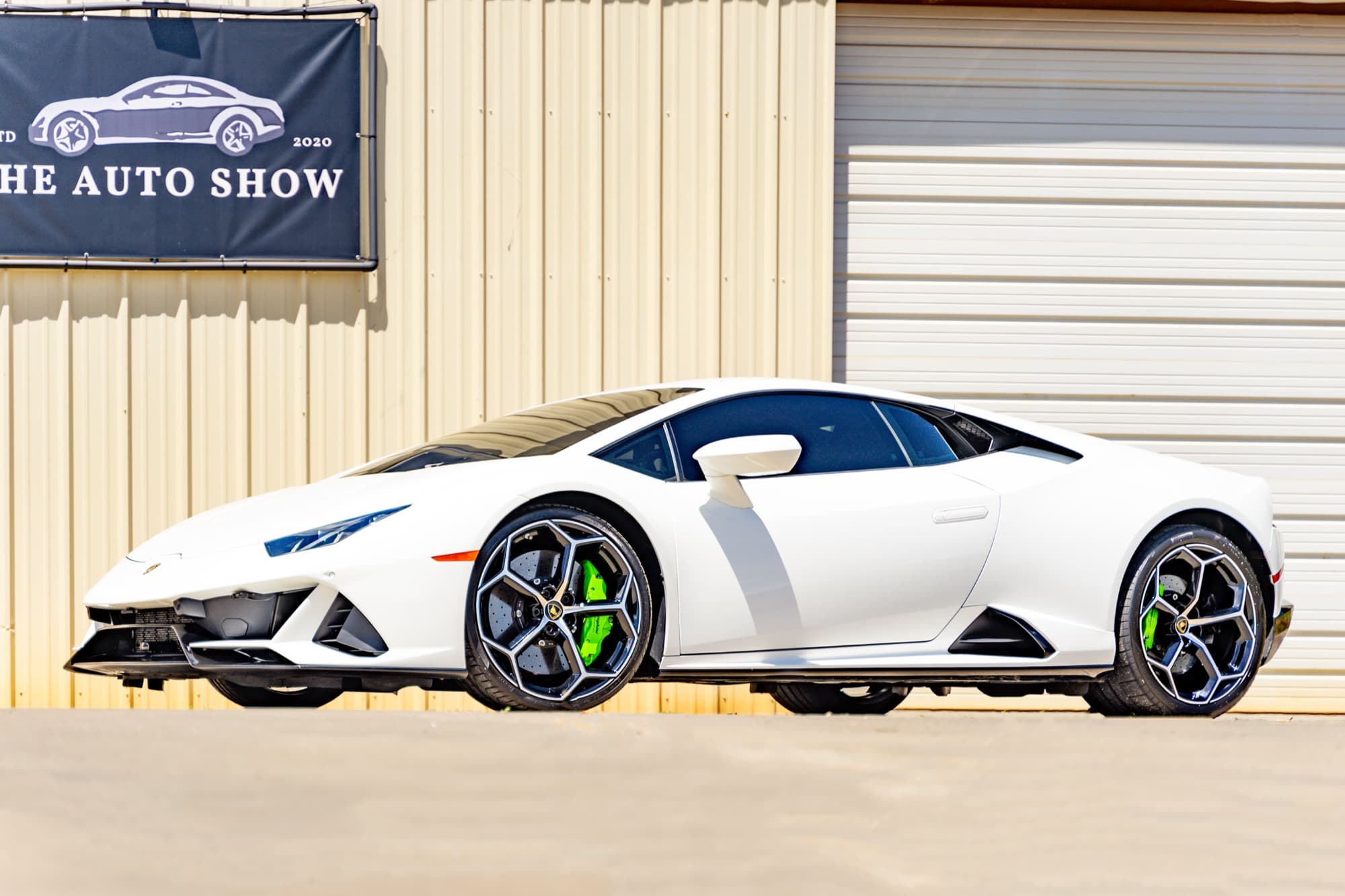
Sports cars are shaped to cut through air, and that shape puts their paint directly in the path of everything the road throws. A low nose sits closer to the gravel, wide fenders sit behind wide tires, and big intakes give debris more places to land.
The good news is that the risk is predictable. If you know where chips land on a car like yours and how you'll drive it, you can protect the right panels instead of buying coverage you don't need.
The short answer
Most sports cars need paint protection film on the full front end at minimum: bumper, full hood, full fenders, mirrors and headlights, because low noses and wide fronts take more stone hits. Add rocker panels and the areas behind the wheels for cars with wide rear fenders, and consider full-car film for track use or exotic paint. A ceramic coating on top adds gloss and easier cleaning but does not stop chips.
Key points
- Low, wide front ends meet road debris sooner and with more surface area, so full front coverage matters more than on a sedan.
- Wide rear fenders sit in the spray from the car's own tires; rockers and rear quarters deserve film on many sports cars.
- Track days add tire rubber, gravel from runoff areas and higher speeds; thicker film suits that use.
- LLumar notes carbon fiber is not considered OEM paint, so film on carbon parts isn't eligible for its warranty.
- A coating over film and paint makes bugs, brake dust and rubber easier to remove, but film does the impact work.
Risk map
Where Sports Cars Take Damage
On a typical sedan, chips concentrate on the bumper and the front of the hood. On a sports car the damage zone is larger. The nose is lower and often wider, so it meets debris that would pass under a taller car. Hoods are long and shallowly angled, so stones that bounce off the bumper often land on the hood rather than flying over it.
Then there is the car's own debris. Wide, sticky performance tires tend to pick up grit and fling it backward. On cars with flared rear fenders, that grit hits the leading edge of the rear quarter panel and the rocker in front of it. Mid-engine cars often have side intakes in exactly that path.
- Front bumper, splitter and lower intakes: first contact with everything on the road.
- Full hood and front fenders: secondary hits from bounced stones.
- Headlights and mirrors: exposed, expensive and easy to chip or haze.
- Rocker panels and lower doors: tire spray and gravel.
- Rear quarter leading edges and side intakes: debris from the car's own front tires.
- Rear bumper top: scuffs from loading bags or leaning.
Coverage
Matching Film Coverage to How You Drive
- Partial frontInterstate, from $1,199.99
- Front half of the hood and fenders, front bumper and mirrors. It protects the worst zone, but on a long, low hood the film edge sits in the middle of a big flat panel, which is easier to see on dark or bright colors. Partial vs full hood
- Full hood and fendersLong Distance Driver, from $2,199.99
- Full hood, full fenders, headlights, fog lights, mirrors and door edges. No visible line across the hood. Exact panels, including how the bumper and intakes are handled on your car, are confirmed at inspection. PPF coverage options
- Front plus rockersOff Roader, call for a quote
- Full hood, fenders, headlights, fog lights and mirrors plus front and rear rocker panels. Built for gravel and tire spray, it also suits wide sports cars that throw debris down their own sides. Rocker panel PPF
- Full carFrom $5,499.99
- Whole-vehicle coverage, with exact panels confirmed at inspection. It makes most sense for track use, rare or expensive-to-match paint, or cars that will be kept and shown for years. Is full car PPF worth it?
Starting prices for LLumar Platinum PPF. Final price is confirmed before install.
Track days
Protecting a Car You Take to the Track
Track driving changes the threat. Speeds are higher, cars ahead shed hot tire rubber, and drivers who drop a wheel off track bring gravel and sand back onto the racing line. The rear quarters and rocker panels take a beating from rubber pickup, and the front end sees more and harder impacts than a year of commuting.
LLumar describes its Platinum Extra film as its thickest, built for high-impact resistance with track racing and gravel roads in mind, and it carries the same self-healing top coat as standard Platinum. Thicker film absorbs more energy, but it can be harder to stretch around complex curves, so it is often used on the panels that take the hardest hits rather than everywhere.
Painter's tape and temporary track film still have a place on race weekends for extra cover on the nose. They are a supplement, not a substitute for a properly installed film.
After a session
Cleaning Up After a Track Day or Spirited Drive
Let the car cool
Hot brakes, wheels and panels bake contaminants on and make products flash too fast. Wait until everything is cool to the touch.
Soak bugs and rubber
Apply a bug remover or a product made for rubber marks and let it dwell. On film, use products labeled safe for PPF.
Rinse wheels and arches first
Brake dust from performance pads is heavy. Clean wheels with separate tools so that grit never reaches the paint mitt.
Hand wash and inspect
Wash, dry, and look closely at the nose and rear quarters. Fresh chips in unprotected paint should be addressed before moisture reaches bare metal.
Coating role
Where a Ceramic Coating Fits
A coating doesn't stop rock chips, but it earns its place on a sports car in other ways. It gives the paint and film a slick, water-repellent surface, so bugs, brake dust and rubber release with less scrubbing. IGL lists its Kenzo, Quartz+ and EZ coatings as safe for PPF and vinyl, so film and paint can be coated together for an even look.
Wheels and calipers are worth considering too. Performance brakes produce a lot of dust, and a coating on wheel faces makes it easier to clean off. Wheel coating is an add-on; ask us for a price for your wheels.
Special cases
Carbon Fiber, Matte Paint and Rare Colors
- Carbon fiber: LLumar says film can be installed on carbon fiber, but carbon is not considered OEM paint, so it is ineligible for LLumar's warranty. Ask before covering exposed carbon parts.
- Factory matte or satin paint: it can't be polished, so a chip or scratch often means refinishing the whole panel. Matte film is worth a close look.
- Rare or tri-coat colors: they can be hard to match after a repair, which makes protecting original paint more valuable.
- Aftermarket aero parts: splitters and side skirts made of plastic or composite may not suit film; we'll check at inspection.
| How the car is used | Film coverage | Coating |
|---|---|---|
| Weekend drives, garaged | Full hood and fenders with headlights and mirrors | Optional, for easier washing |
| Daily driver, highway miles | Full front, consider rockers | Recommended over paint and film |
| Regular track days | Full front plus rockers and rear quarters, thicker film on hit zones | Recommended; makes rubber and bug removal easier |
| Collector or show car | Full car | Over the film for gloss and easy care |
Starting points only. We confirm coverage after looking at the car and talking about how you drive it.
Plan Coverage for Your Sports Car
As authorized LLumar installers, we fit LLumar Platinum PPF in gloss, matte and extra-thick versions. Tell us how you use the car and we'll suggest the right coverage.
Common questions
Should I put PPF on carbon fiber parts?
It can be done, and it protects the resin from chips and UV. Be aware that LLumar does not consider carbon fiber OEM paint, so film on carbon isn't covered by its warranty. Gloss film on gloss carbon usually looks natural; matte film suits satin carbon. Ask to see how edges will be finished first.
How soon can I drive or wash a sports car after PPF?
You can usually drive it home the same day, gently. LLumar recommends not washing newly installed film for three days (72 hours), then hand washing, and discourages pressure washing and automatic washes because they can lift edges. If you notice small water bubbles under the film in the first days, call your installer before touching them.
Can I rely on a ceramic coating alone for track days?
Not for chip protection. A coating is a very thin layer that helps contaminants release and makes cleaning easier, but it doesn't absorb stone impacts. For track use, film on the nose, hood, fenders, rockers and rear quarters is what protects the paint. A coating on top is a useful addition.
Will film hide the shape and gloss of a supercar's paint?
Good gloss film is very clear and follows body lines closely, so at normal viewing distance most people can't tell it's there. Up close you may see edges or a slight texture difference on very flat paint. Full-panel coverage hides edges best. Ask to see a sample in daylight.
Keep reading
Sources
- Platinum Extra Paint Protection Film, LLumar / Eastman Performance Films (https://www.llumar.com/en/paint-protection-film/platinum-extra/), accessed October 2026
- Platinum Gloss Paint Protection Film, LLumar / Eastman Performance Films (https://www.llumar.com/en/paint-protection-film/platinum-gloss/), accessed October 2026
- Paint Protection Film Frequently Asked Questions, LLumar / Eastman Performance Films (https://www.llumar.com/en/resources/paint-protection-film-frequently-asked-questions/), accessed October 2026
- Ecocoat Kenzo, IGL Coatings (https://iglcoatings.com/ecocoat), accessed October 2026
- Ecocoat Quartz+ Graphene Reinforced, IGL Coatings (https://iglcoatings.com/products/ecocoat-quartz-plus), accessed October 2026
Prices on this page are The Auto Show’s published starting prices and are confirmed after we inspect the vehicle. Product ratings and warranty terms come from the manufacturers.