
Ceramic Coating & PPF Guide: Compare
Partial Hood vs Full Hood PPF
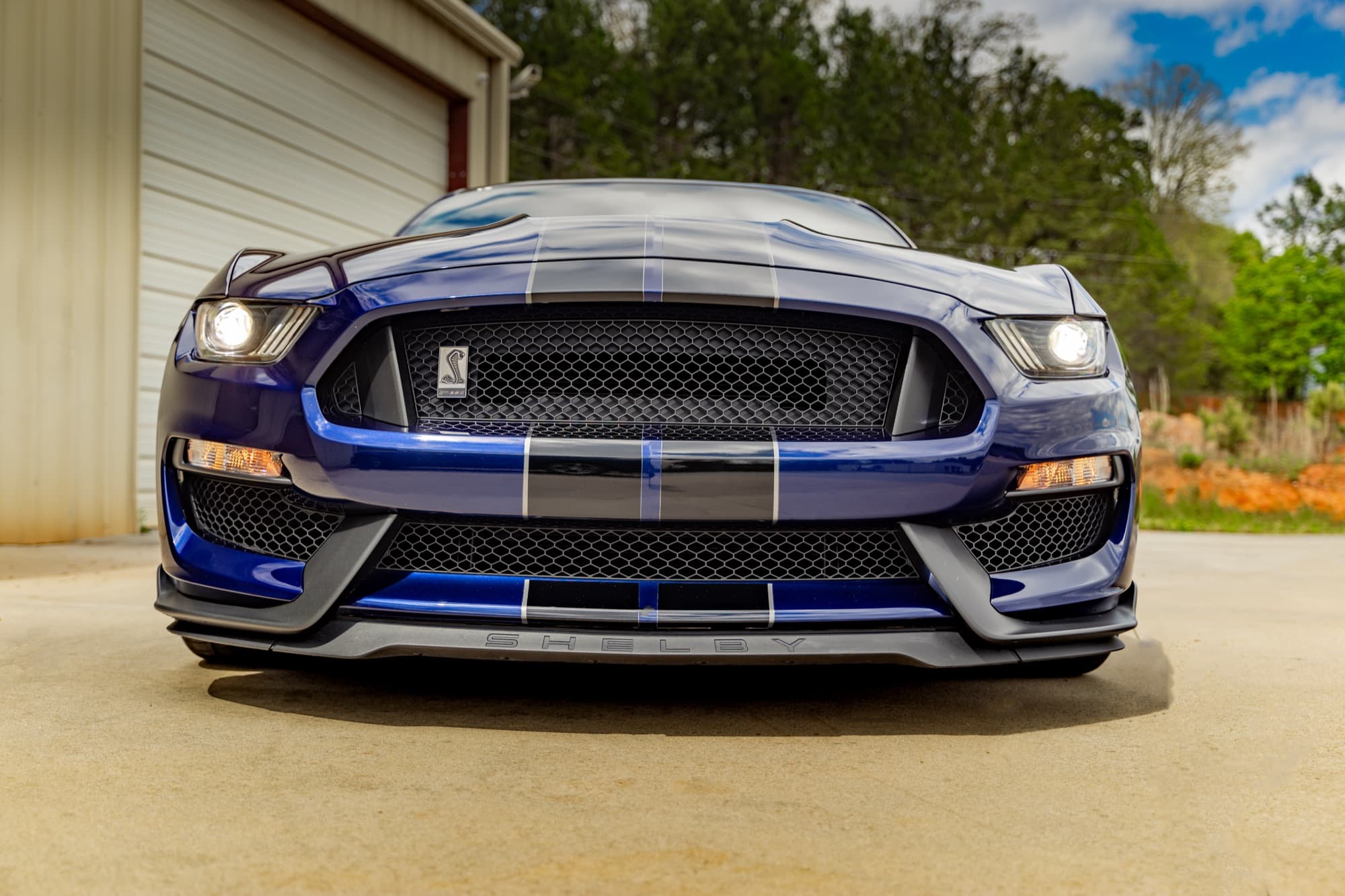
The hood is the biggest single panel in most front-end paint protection film quotes, and the most common decision point. You can cover the leading part of it, which takes most of the chips, or the whole thing, which costs more but leaves no edge in the middle of the panel.
There is no universally right answer. It depends on how visible a line would be on your car, how you drive, and how long you plan to keep it. This guide works through each of those so you can decide with your own hood in mind.
The short answer
Partial hood PPF covers the front section of the hood, where the most chips land, and costs less, but leaves a straight film edge across the panel that can collect a thin dirt line and become visible over time. Full hood PPF covers the whole panel and wraps or ends at the panel edges, so there is no line and highway chips reaching mid-hood are covered. Choose full hood for long ownership, frequent highway driving, or dark or flat hoods.
Key points
- The leading edge of the hood takes the most impacts, which is why partial coverage protects most chips for less.
- The visible part of a partial hood is not the film but the edge: a step, a dirt line and sometimes a slight gloss difference.
- Highway speeds push chips further back, so commuters often find chips just behind a partial cut line.
- Flat, light-colored hoods with body lines hide a cut best; flat, dark, glossy hoods show it most.
The line
What You Actually See With a Partial Hood
Good modern film is very clear, and LLumar describes its gloss PPF as designed to blend with the paint when it is applied partially. On day one, many people cannot find the edge from a few feet away. What makes a partial hood noticeable over time is the edge itself.
Film has thickness, so there is a tiny step where it ends. Wax residue, road film and pollen collect against that step and leave a faint line that washing has to address on purpose. In low sun or under gas station lights, the edge can catch a reflection. And if the surface texture of the film and the factory clear coat differ slightly, you may see a subtle change in reflection across the line.
- A dirt line along the edge, more noticeable on white and silver paint.
- A reflection change at the edge, more noticeable on black and dark paint.
- Edge lifting if the film was not trimmed and sealed well, or if a pressure washer was aimed at it.
- A cluster of chips just behind the film edge on highway-driven cars.
Chip zone
Where Chips Land on a Hood
Debris kicked up by the vehicle ahead arrives low and fast. Most of it hits the bumper, grille and front edge of the hood, and the chip density drops as you move back toward the windshield. That is why partial packages exist: the first section of the hood covers the bulk of the impacts.
Speed and following distance change the map. At highway speeds behind tractor-trailers on I-85, or on long US-76 runs, stones come off taller tires at steeper angles and land further back. People who commute this way are the ones who most often see a row of chips just past where their partial film ends. City and back-road drivers rarely do.
Your hood
How Hood Shape and Color Change the Answer
- Hoods with strong body linesPartial works well
- A crease or power bulge gives the installer a natural place to end the film. The edge follows the line and nearly disappears.
- Large, flat hoodsLean toward full
- Trucks, SUVs and boxy off-roaders often have wide, flat hoods where a straight cut across the panel is easy to see. A full hood avoids it. Truck paint protection
- Black and dark paintLean toward full
- Dark gloss reflects the edge clearly in low sun. Owners who care about how a dark car looks up close usually prefer no line at all. Protecting a black car
- White and silver paintPartial is less visible, but watch the dirt line
- Light colors hide the reflection change but show grime along the edge more easily, so edge cleaning becomes part of your wash.
- Hoods with stripes or ventsAsk about the cut line
- Stripes, scoops and vents interrupt the panel. The installer can sometimes end the film at a stripe edge or vent to hide it.
Cost
What the Price Difference Buys
Full hood coverage uses more film and takes longer, because the installer has to manage the entire panel, often wrap the rear and side edges, and work around washer nozzles and emblems. In package terms, the jump from partial to full hood usually comes bundled with full fenders, since a full hood with half fenders would put the line on the fender instead.
At our shop, the Interstate package (front half of the hood, front half of the fenders, front bumper, mirrors) starts at $1,199.99. The Long Distance Driver package (full hood, full fenders, headlights, fog lights, mirrors, door edges) starts at $2,199.99. Those are not hood-only prices; they are the two packages that put a partial-hood and a full-hood decision side by side. The final price is confirmed before install.
Decide
A Quick Way to Choose
Look at your current hood in low sun
Count chips and note how far back they go. If they stop well before mid-hood, partial is likely enough.
Think about your next three years of driving
Daily highway miles, gravel roads or towing push toward full. Short local trips push toward partial.
Find the natural cut line
Ask where the installer would end the film on your model. If it falls on a body line, a partial edge will be subtle.
Decide how much a line would bother you
Some owners never notice it; others see nothing else once they know it is there. Be honest about which you are.
Factor in how long you will keep the car
Over many years, full coverage avoids both the line and the uneven chip pattern at the edge.
Living with it
Caring for a Partial Hood Edge
If you go partial, the edge needs a little attention. When washing, wipe along the edge rather than into it, and do not aim a pressure washer straight at it. LLumar discourages pressure washing and automatic car washes on its film because they can cause lifting, especially around the edges, and notes that this kind of lifting is not covered by its limited warranty.
A ceramic coating over the film and paint helps too. It makes the dirt line easier to rinse away and keeps the edge from becoming a grime collector.
| Partial hood | Full hood | |
|---|---|---|
| Coverage | Leading section of hood | Entire hood, edges wrapped or at panel gaps |
| Visible edge | Yes, across the hood | No line on the panel |
| Chip protection | Most city and back-road chips | Plus highway chips further back |
| Best hood types | Hoods with body lines, light colors | Flat hoods, dark gloss paint |
| Our matching package | Interstate, from $1,199.99 | Long Distance Driver, from $2,199.99 |
| Upkeep | Clean the edge line deliberately | Normal washing |
Package prices cover more than the hood; see the panel lists above. Final price confirmed before install.
Want to See Where the Line Would Fall?
Bring the car by and we will show you the cut line for partial coverage on your model, alongside what full hood coverage would look like.
Common questions
Can you see partial hood PPF from a distance?
Usually not from normal viewing distance when it is new and clean. Up close, in low sun, or once a dirt line builds at the edge, it becomes easier to spot. Dark paint shows the edge as a reflection change; light paint shows it as a faint grime line. Washing the edge carefully keeps it subtle.
Can I upgrade from partial to full hood later?
Yes, but it normally means removing the partial piece and installing one full-hood piece, because adding a second section creates a seam. Any chips that landed behind the original edge will already be in the paint. If you are undecided and drive highways daily, starting with full hood avoids paying twice.
Does partial hood PPF cause uneven fading?
On modern clear-coated paint, visible fading differences are uncommon over a normal ownership period, but paint under film is shaded while exposed paint is not, so very long-term differences are possible, especially if the paint already oxidizes. Keeping all paint protected and washed regularly reduces the gap.
Is full hood worth it on a lease?
Often partial is enough on a two- or three-year lease driven mostly locally, since the goal is avoiding excess-wear charges at turn-in rather than long-term perfection. High-mileage leases with lots of highway driving are the exception, because chips past the partial edge can still show up at inspection.
Sources
- Platinum Gloss Paint Protection Film, LLumar (https://llumar.com/en/paint-protection-film/platinum-gloss/), accessed October 2026
- Paint Protection Film Frequently Asked Questions, LLumar / Eastman Performance Films (https://llumar.com/en/resources/paint-protection-film-frequently-asked-questions/), accessed October 2026
- Gloss and Matte Paint Protection Film, LLumar (https://llumar.com/en/paint-protection-film/gloss-matte/), accessed October 2026
Prices on this page are The Auto Show’s published starting prices and are confirmed after we inspect the vehicle. Product ratings and warranty terms come from the manufacturers.