
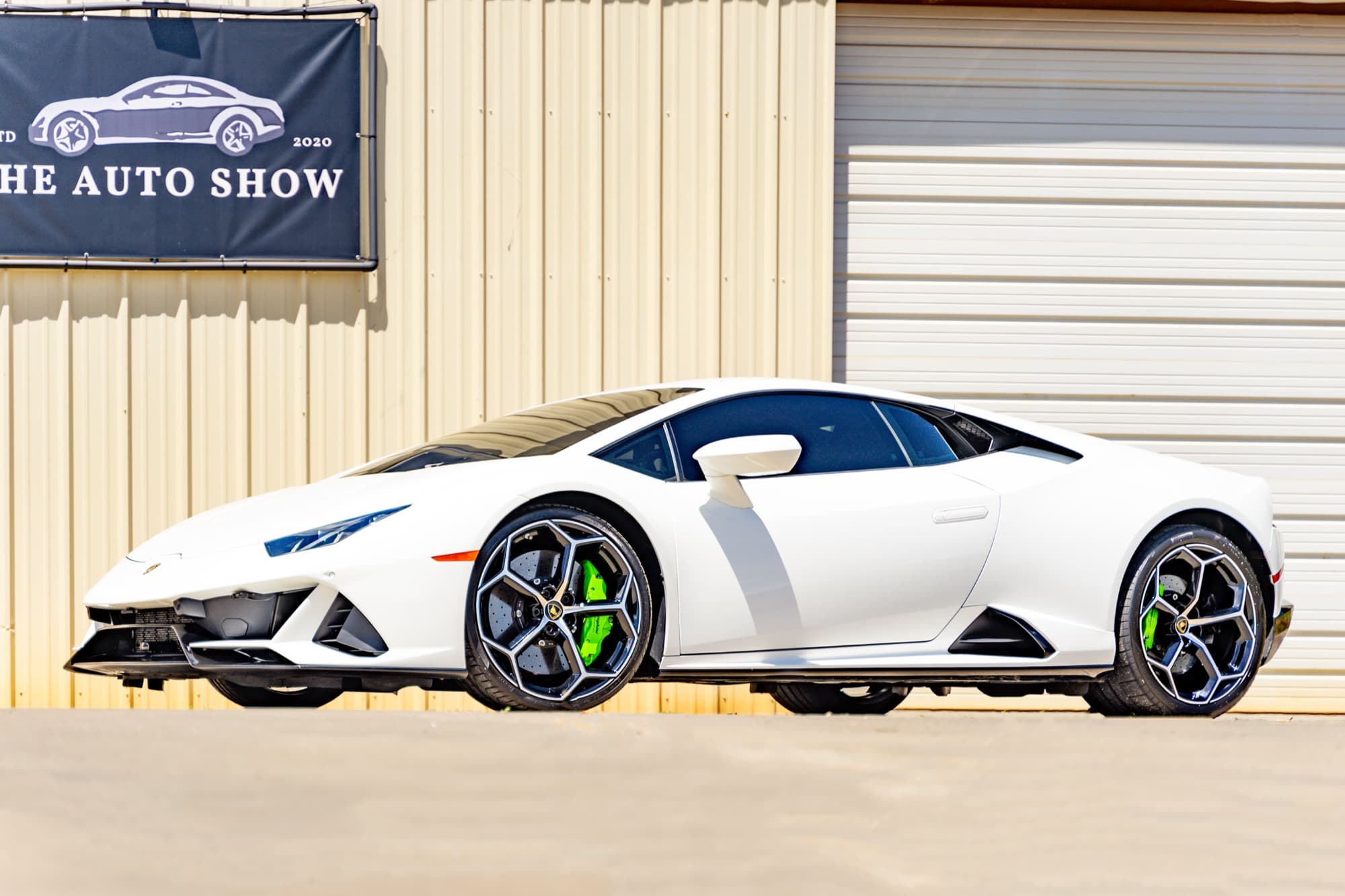
Ceramic Coating & PPF Guide: Compare
Is Full Car PPF Worth It?
Full car paint protection film is the most complete physical protection you can put on factory paint, and the most expensive. It covers every painted panel, not just the front end that takes most of the rock chips. For some owners it is the obvious choice; for others it is money spent protecting doors and roofs that rarely get hurt.
This guide is an honest look at what full coverage adds over front-end packages, who tends to get their money's worth, and what most people can do instead for a fraction of the price.
The short answer
Full car PPF is worth it if you plan to keep a car for many years, own something rare or expensive to repaint, want a color or finish change such as matte, or park where door dings, scuffs and bird droppings hit every panel. For most daily drivers, full front film plus a ceramic coating on the remaining panels protects the high-risk areas for considerably less.
Key points
- Most chips hit the front end, so full car coverage mainly adds protection against side, rear and top damage.
- Factory clear coat is only about 1.5 to 2.0 mils thick, and a repaint rarely matches original paint perfectly.
- Full coverage avoids visible film edges mid-panel and keeps all panels aging the same way.
- Full front film plus a coating elsewhere is the common middle ground.
- Film is designed for original, fully cured paint; repainted areas may not be covered by the film maker's warranty.
What it adds
What Full Coverage Protects That Front Packages Don't
A full front package already covers the hood, fenders, mirrors and often the bumper and headlights, which is where most chips land. Moving to full car adds the doors, rocker panels, quarter panels, roof, pillars, trunk or tailgate and rear bumper. The damage on those panels is different: it comes from people and places more than from the road ahead.
- Door dings and edge chips in parking lots, where the film can absorb a light scuff that would mark paint.
- Shopping carts, bag zippers, belt buckles and kids' shoes along the doors and rear quarters.
- Tire-thrown gravel and clay on rocker panels and behind the wheels.
- Scratches on the rear bumper top from loading gear, coolers and dogs.
- Bird droppings, tree sap and bug splatter on the roof and trunk, where film gives you more time before etching.
- Light scratches from car covers, washing and keys, many of which self-heal on modern film.
Film absorbs light impacts and scuffs. A hard enough dent will still dent the panel underneath, and a deep cut can go through film.
Who it suits
Owners Who Usually Get Their Money's Worth
- Long-term keepersSeven years and beyond
- If you plan to keep the car a long time, film on every panel means the paint you uncover years later is the paint the car came with, all of it.
- Rare, exotic or high-value carsOriginal paint matters
- Repainting a panel on a special car is expensive and rarely matches factory paint exactly. Keeping original paint intact has real value for these owners. Sports car protection
- Color or finish changersMatte or black film
- Converting gloss paint to satin with matte film, or adding black film, only looks right when every panel is covered. Gloss vs matte PPF
- Factory matte paint ownersPaint that can't be polished
- Matte clear coat cannot be polished to remove scratches without making it shiny. Full matte film protects it while keeping the look. Matte paint care
- Hard-use environmentsGravel, job sites, tight parking
- Daily gravel driveways, construction routes, and crowded garages or downtown parking all spread damage around the whole car.
Who might skip
When Full Car Probably Isn't the Best Use of Money
- You trade cars every two or three years and drive mostly in town.
- The car is already repainted on several panels; repaired paint can complicate adhesion and is generally outside film warranties.
- The paint already has heavy damage you are not planning to correct first. Film magnifies what is under it.
- You mainly worry about rock chips; a full front package handles most of that.
- Budget would be better spent on paint correction and a quality coating across the whole car.
Why paint matters
The Case for Protecting Original Paint
Factory paint is thin. DeFelsko, which makes paint thickness gauges, puts typical clear coat at about 1.5 to 2.0 mils, with total factory paint usually 4 to 7 mils. Once a scratch goes through that clear coat, polishing cannot bring it back; the panel needs touch-up or paint.
Repainted panels can differ from factory paint in color match, texture and how they age. LLumar states that its film is designed for original painted surfaces, that issues with aftermarket or repaired paint are not covered by its warranty, and that 30 days is the common waiting period before filming freshly painted panels. For owners who care about original paint, that is the core argument for full coverage: it keeps every panel original.
Alternatives
Middle Grounds That Cover Most of the Risk
Full front film plus a coating everywhere
Film where chips land, a ceramic coating on the rest for gloss and easy cleaning. The coating can go over the film too.
Full front plus high-touch extras
Add door edges, door cups, rocker panels and the rear bumper top. These small areas take a large share of non-road damage.
Full front plus rockers for gravel drivers
For trucks, Jeeps and anyone on unpaved roads, rocker coverage handles the second-worst damage zone.
Correction and coating only
For short ownership or lighter use, a corrected and coated finish with careful washing keeps the paint looking good without film.
Trade-offs
What You Should Know Before Committing
Full film is a long job, and the car needs a careful wash and decontamination first, with correction if the paint has defects. The film itself needs sensible care: LLumar recommends waiting three days before the first wash, then hand washing, and discourages pressure washing and automatic washes because they can lift edges, which is not covered by its limited warranty.
LLumar backs its Platinum gloss and matte films with a 10-year manufacturer's limited warranty, with restrictions that the dealer explains. Read that document for exactly what is and is not covered before you count on it. When the film eventually comes off, LLumar advises professional removal indoors at 55 degrees Fahrenheit or warmer.
At The Auto Show
Our Full Car Package and the Alternatives
We are authorized LLumar installers. Our Full Car package starts at $5,499.99, with the exact panels confirmed at inspection. For comparison, the Long Distance Driver package (full hood, full fenders, headlights, fog lights, mirrors, door edges) starts at $2,199.99, and a ceramic coating can go on the rest of the car and on top of the film. Prices are starting points; the final price is confirmed before install.
| Option | What is protected from chips and scuffs | Best for |
|---|---|---|
| Full car PPF | Every painted panel | Keepers, special cars, matte or color change |
| Full front PPF plus coating | Front end by film; rest gets gloss and easy cleaning only | Most commuters and enthusiasts |
| Full front plus extras | Front end, door edges and cups, rockers, rear bumper top | Families, tight parking, gravel |
| Partial front plus coating | Leading edges by film | Shorter ownership, town driving |
| Correction plus coating only | No impact protection; easier cleaning and gloss | Short ownership, light use |
Weighing Full Car Against Full Front?
We will inspect the paint, show you where your car is already taking damage, and quote both options so you can compare them side by side.
Common questions
How long does full car PPF take to install?
It is not a same-day job, because the car needs washing, decontamination and often correction before any film goes on, and every panel then has to be fitted, trimmed and post-heated. Ask your installer for a timeline for your specific vehicle; larger SUVs and cars with complex bumpers take longer.
Does full car PPF look like a wrap?
Clear gloss film should not change the color. Up close you may see edges at panel gaps and, depending on the film, a slight change in texture compared with bare paint. From normal viewing distance a well-installed clear full car usually just looks like glossy paint. Matte or black film changes the look deliberately.
Can you put a ceramic coating on full car PPF?
Yes. A coating on top of film makes it slicker, easier to wash and more resistant to staining from bugs and bird droppings. Use a coating product approved for film, and let the film settle before it is applied. The film still provides the impact protection; the coating handles easy cleaning.
Will full car PPF protect against door dings?
It protects the paint surface from scuffs and many light edge strikes that would otherwise chip or scratch paint. It will not stop a dent; a hard door strike can still push the metal in. The benefit is that the paint over a minor ding is often intact, which keeps paintless dent repair an option.
Keep reading
Sources
- Platinum Gloss Paint Protection Film, LLumar (https://llumar.com/en/paint-protection-film/platinum-gloss/), accessed October 2026
- Platinum Matte Paint Protection Film, LLumar (https://llumar.com/en/paint-protection-film/platinum-matte/), accessed October 2026
- Paint Protection Film Frequently Asked Questions, LLumar / Eastman Performance Films (https://llumar.com/en/resources/paint-protection-film-frequently-asked-questions/), accessed October 2026
- BMW Frozen Paint Guidelines, BMWBLOG (https://www.bmwblog.com/2014/11/15/bmw-frozen-paint-guidelines/), accessed October 2026
- How to Use Paint Thickness Gauges for Better Automotive Detailing, DeFelsko (https://www.defelsko.com/resources/how-to-use-paint-thickness-gauges-for-better-automotive-detailing), accessed October 2026
Prices on this page are The Auto Show’s published starting prices and are confirmed after we inspect the vehicle. Product ratings and warranty terms come from the manufacturers.