
Ceramic Coating & PPF Guide: Understand
Summer Bugs on the Front End: Removal and Protection
Drive I-85 or a country road past a hayfield on a warm evening and the front of your car tells the story: a bumper speckled with bugs, a windshield smeared at the wiper line, a grille full of wings. In the Upstate that is a weekly event from late spring into fall.
Bug splatter looks like a cosmetic nuisance, but left on hot paint it can etch the clear coat in days. The fix is mostly timing and technique: soften it, lift it, and never scrub it off dry.
The short answer
Bug remains are acidic, and summer heat bakes them onto the paint, where they can etch the clear coat if left for days. Remove them within a day: soak the area with a bug remover or a soaked microfiber towel for a few minutes, then rinse and gently lift the residue away. Never scrub dry bugs or use abrasive pads. A ceramic coating or paint protection film on the front end makes them release faster and protects the paint underneath.
Key points
- Insect remains are acidic and, in heat, can leave dull etched spots that outlast the bug.
- Clemson Extension recommends removing splattered lovebugs within a day or so.
- Softening is the whole technique: soak, wait, then wipe gently. Scrubbing causes more damage than the bugs.
- Wax, sealant, coatings and film all take the hit instead of the clear coat; slicker surfaces release bugs faster.
- Driving slower and outside peak lovebug hours cuts down how much hits the car in the first place.
Why it matters
How a bug turns into a paint problem
When an insect hits the front of a moving car, its body breaks open and its fluids spread over the paint. Clemson University's Home and Garden Information Center notes that lovebugs, a familiar summer nuisance across the South, can damage paint finishes when their acidic body fluids are left on a vehicle. Other insects behave similarly once they dry and start to break down.
Heat speeds the whole process. On a sun-baked bumper, the residue dries hard within hours and bonds tightly to the surface. If it stays there for days, the acids can leave a dull, slightly sunken spot in the clear coat in the exact shape of the splatter. Washing removes the bug but not the mark.
Bugs cause mechanical trouble too. Clemson points out that lovebugs can clog radiators and cause engines to overheat, and smeared remains on the windshield reduce visibility, especially driving into a low sun.
Timing
When the bugs are worst in the Upstate
Lovebugs are the headline species. According to Clemson, their major flights happen twice a year, around May and September, for about four weeks each time, and they are active from about 10 a.m. until dusk. Clemson's practical advice is to plan longer drives for the early evening or night during those flights and to drive a little slower, since lower speeds mean fewer splatters.
Outside lovebug season, summer evenings still bring a steady load of moths, beetles and gnats, especially near lakes, fields and streetlights. A weekend trip to the lake or a run up I-85 at dusk can coat the front end in one drive. The safest assumption from May through October is that any highway drive means a bug cleanup the same week.
Where they land
The surfaces that take the most hits
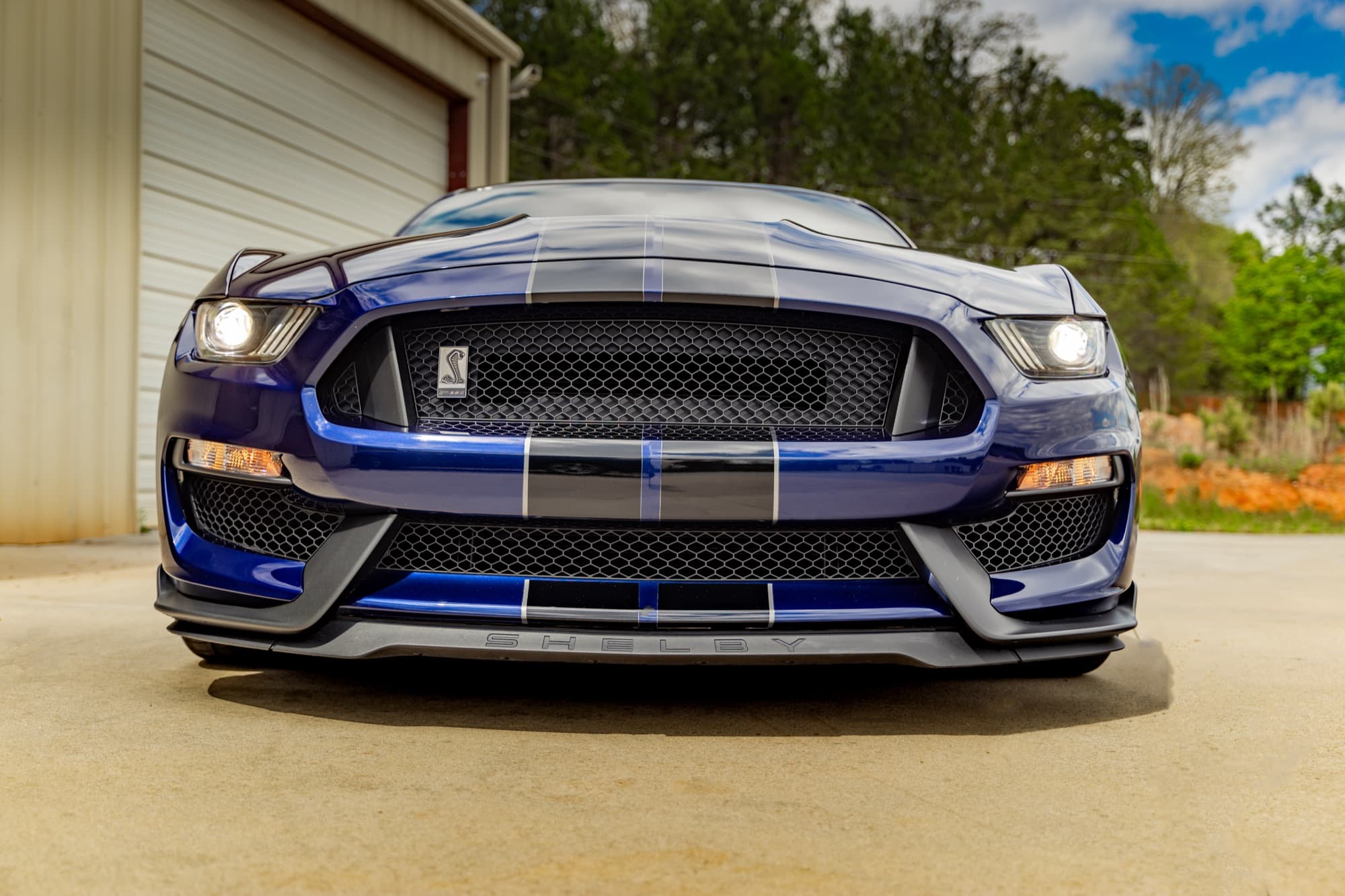
- Front bumper and grille: the most splatter, and the hardest to clean because of the vents and textures.
- Leading edge of the hood: residue here often goes unnoticed until it is baked on.
- Side mirrors: the backs of the mirror caps face forward and collect a surprising amount.
- Headlights: bugs dry hard on the lens and dull the light output at night.
- Windshield: wipers smear remains into a film that glares in sun and at night.
- License plate and plate frame: a common place for etched spots on the bumper behind it.
Removal
How to remove bugs without scratching the paint
Start with a cool panel
Work in the shade or in the morning. A hot bumper dries any cleaner before it can work and makes residue harder to lift.
Rinse the front end
A steady rinse removes loose wings and grit so you are not dragging them around in the next steps.
Soak the remains
Spray a dedicated bug remover that is safe for your paint and any coating or film, or lay a microfiber towel soaked in warm, soapy car shampoo over the area. Give it a few minutes. Do not let it dry on the surface; re-wet if needed.
Lift, do not scrub
Wipe gently in one direction with a soft, wet microfiber or a soft wash mitt, turning to a clean side often. If residue remains, soak again rather than pressing harder.
Wash and rinse the area
Follow with a normal wash so no cleaner residue is left behind, then rinse thoroughly. Many bug removers are not meant to dry on paint.
Dry and check in good light
Dry with clean microfiber, then look at the surface at an angle. A dull outline where a bug was means the clear coat is etched, which is a polishing job, not a cleaning job.
On glass, the same soak-then-wipe approach works. A washer fluid with bug remover added helps between washes, and fresh wiper blades smear less.
Avoid these
Bug removal shortcuts that damage paint
- Dry wiping or scrubbing: hardened insect parts and road grit act like sandpaper.
- Abrasive sponges, scouring pads and the green side of a kitchen sponge: they leave scratches you will see in the sun.
- Gas station squeegees and window scrubbers on paint: they are made for glass and carry grit from every car before yours.
- Household cleaners, degreasers and dish soap: they can strip wax and sealant and are hard on trim. IGL Coatings warns against using dish and laundry detergents on a car.
- Pressure washer tips held close to the paint: they can lift film edges, chip weak paint and drive grit into the surface.
- Waiting until the weekend in July: by then, the residue has had days to bake and etch.
If it etched
What to do about bug etching that will not wash off
An etched spot is damage to the clear coat itself, not dirt on top of it. Light etching can usually be leveled with machine polishing, which removes a very thin layer of clear coat around the mark until the surface is even again. Deeper etching may only partly improve, because there is a limit to how much clear coat can safely be removed.
If you see etching on a car that has a ceramic coating, the coating took some of the hit, but the marks may still reach the clear coat if the bugs sat long enough. Do not try to scrub it out; have it inspected, because the area may need a light polish and a fresh layer of coating.
Prevention
How protection helps the front end
- Wax or sealantShort-term buffer
- Clemson notes that paint damage is lessened when a car is well waxed. In Southern summer heat, though, wax wears away within weeks on the front end, so it needs frequent reapplying. Coating vs wax
- Ceramic coatingFaster release
- A hard, slick, chemical-resistant layer bonded to the clear coat. Bugs release with a soak and a gentle wipe, and the coating buys time before acids reach the paint. IGL still says to rinse bug spatter off right away. What a coating is
- Paint protection filmSacrificial barrier
- Clear urethane film over the bumper, hood, fenders and mirrors takes bug acids, stone chips and scrubbing marks instead of the paint. Light marks in the top coat level out with heat; LLumar lists prompt removal of staining hazards as part of proper care. What PPF protects against
- Glass coatingWindshield
- A hydrophobic coating on the windshield helps bug residue and rain release, so wipers clear more with less smearing. Glass coating explained
Many owners combine the two: film on the front end where bugs and stones hit, and a ceramic coating on the rest of the car and on top of the film.
| Tool or product | Safe on paint? | Notes |
|---|---|---|
| Dedicated bug remover | Yes, if labeled safe for coatings/film | Let it dwell, do not let it dry, rinse well |
| Soaked microfiber towel | Yes | Lay over the area for a few minutes to soften |
| pH-neutral car shampoo | Yes | Good for light, fresh splatter |
| Soft wash mitt | Yes | Rinse it often; grit in the mitt scratches |
| Scouring pad or abrasive sponge | No | Leaves visible scratches |
| Gas station squeegee | No (glass only) | Carries grit from other cars |
| Dish soap or degreaser | Not recommended | Strips protection, dries out trim |
Tired of scrubbing the front bumper?
A coating, a front-end film package, or both can make bug season a quick rinse instead of a Saturday chore. Ask us what fits your car and your commute.
Common questions
How long can bugs stay on car paint before they cause damage?
There is no exact clock, because it depends on the insect, the heat and the condition of your paint. Clemson Extension recommends removing splattered lovebugs within a day or so. In an Upstate July, with the car parked in the sun, treat it as a same-day or next-day job. On cool, cloudy days you have more time.
Do dryer sheets remove bugs safely?
Some people use wet dryer sheets to soften bug remains, but they are not designed for automotive paint, they can leave residue, and rubbing with them can scratch if grit is present. A dedicated bug remover or a microfiber towel soaked in car shampoo does the same softening job and is made for the surface.
Is WD-40 safe for removing bugs from paint?
It is a petroleum-based lubricant, not a car care product. It can loosen residue, but it leaves an oily film that attracts dirt, and it can degrade wax, sealant and some coatings. Use a bug remover labeled safe for your paint and any coating or film, then wash the area afterward.
Should I put a bug screen or bra on the front of my car?
A grille screen can help keep the radiator clear during heavy lovebug flights, which is a cooling issue as much as a paint one. Old-style vinyl front-end bras, on the other hand, can trap grit and moisture against the paint and leave uneven fading. Clear paint protection film protects the paint without those problems.
Sources
- Lovebugs, Clemson University Home and Garden Information Center (https://hgic.clemson.edu/factsheet/lovebugs/), accessed October 2026
- Just got a Ceramic Coating Done and you're not sure how to maintain it?, IGL Coatings (https://blog.iglcoatings.com/how-to-maintain-ceramic-coatings/), accessed October 2026
- Ceramic Coating Wash Techniques, IGL Coatings (https://blog.iglcoatings.com/ceramic-coating-wash-techniques/), accessed October 2026
- Paint Protection Film Frequently Asked Questions, LLumar (https://llumar.com/en/resources/paint-protection-film-frequently-asked-questions/), accessed October 2026
Prices on this page are The Auto Show’s published starting prices and are confirmed after we inspect the vehicle. Product ratings and warranty terms come from the manufacturers.