
Ceramic Coating & PPF Guide: Compare
Black and Colored PPF: Color Change With Real Protection
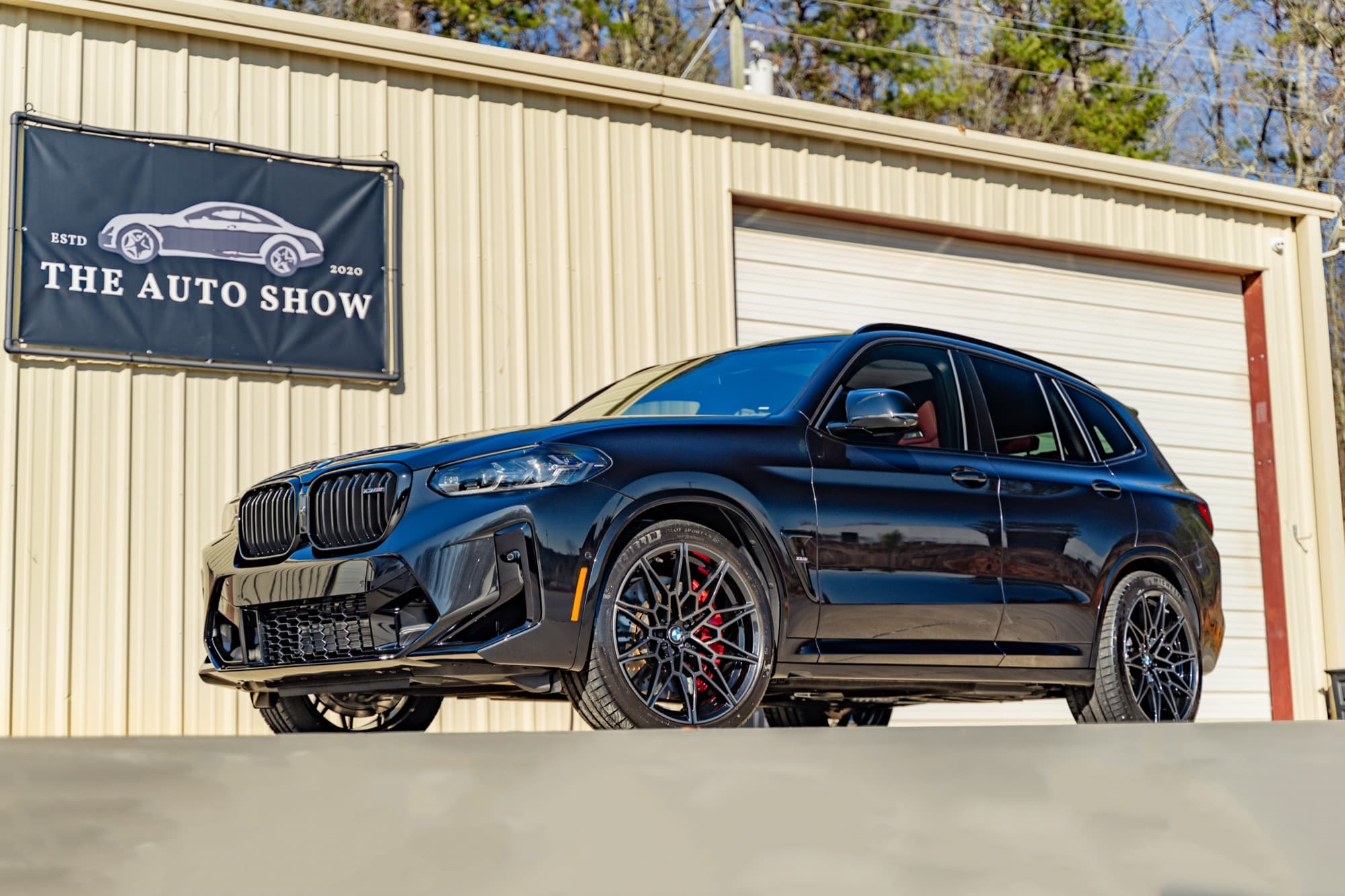
Blacked-out roofs, mirror caps and window trim are one of the most popular looks on new cars and trucks. For years the only ways to get it were paint or vinyl wrap. Black paint protection film adds a third route: the color change of a wrap with the impact resistance and self-healing top coat of clear PPF.
This guide covers where black film makes sense, how it differs from vinyl and paint, and the trade-offs to weigh before you commit a panel to it.
The short answer
Black PPF is a pigmented version of paint protection film. It changes a panel's color to gloss black while protecting it the way clear film does: absorbing stone chips, resisting stains and healing light scratches with heat. It is popular on roofs, mirror caps, pillars, chrome trim and hood stripes. It costs more than black vinyl but is thicker and more protective, and it removes cleanly from factory paint.
Key points
- Black PPF combines a color change with the same protective layers as clear film.
- It suits accents best: roofs, pillars, mirror caps, spoilers, chrome delete and stripes.
- Compared with black vinyl, it is thicker and has a self-healing top coat; compared with paint, it is reversible.
- Gloss black film shows swirls and dust like black paint does, so wash it with the same care.
- Film warranties generally cover original factory paint, not repainted panels or bare carbon fiber.
The basics
What Black PPF Is
Paint protection film is a thermoplastic polyurethane (TPU) sheet with an adhesive layer underneath and a protective top coat on the face. One of the main TPU suppliers to the film industry notes that the base material can be tuned from high gloss to satin or matte, and that colorants can be added. Black PPF is that same construction with pigment in the film.
LLumar's black film, Select Black, is described by the maker as turning any underlying color into a rich gloss black while keeping the benefits of its Platinum film: defense against rocks, salt and road debris, a top coat that self-heals scratches with heat from the sun or engine, and a HydroGard top coat that resists dirt and discoloration. LLumar backs it with a 10-year limited manufacturer's warranty, with restrictions set out by the maker.
Where it works
The Best Places for Black Film
- RoofThe floating-roof look
- A black roof gives a two-tone look that pairs with dark glass and pillars. The roof also takes the most direct sun on the car, so a protective layer there is useful in an Upstate summer. Plan on careful prep around antennas and roof rails.
- A, B and C pillarsClean window lines
- Blacking out pillars makes the glass area read as one dark band. Pillars are small, mostly flat and easy to wrap edges on, so they are a low-risk first project.
- Mirror capsHigh chip area
- Mirrors stick out into the airflow and collect stone hits and bug splatter. Black film gives the color change and the chip protection in one layer.
- Chrome deleteWindow trim and badges
- Bright window trim and grille surrounds can be covered in black film for a darker look. Chrome is not painted, so check how the film maker's warranty treats non-paint surfaces before you choose this.
- Hood stripes and spoilersAccent styling
- Stripes on the hood sit right in the chip zone, so a black stripe in film does double duty. Spoilers and lip pieces are also common choices.
- Full vehiclePossible, but plan carefully
- LLumar lists full wraps as an option. A full color change in film is a larger project than clear film because door jambs, edges and seams all show the original color unless they are covered too. Is full car PPF worth it?
Your options
Black Film vs Black Vinyl vs Paint
Black vinyl wrap is the usual alternative for accents. It is thinner, generally cheaper and easy to work into tight shapes, but it does little against stone chips and has no self-healing surface. LLumar positions Select Black as stronger and more protective than black vinyl and a better value than custom paint; that is the maker's claim, but the physical difference in thickness and top coat is real.
Paint is the most factory-looking option and lasts as long as any other paint on the car. It is also the least reversible: undoing a painted roof means another trip to the body shop, and a non-factory color can raise questions when you sell. Black film comes off factory paint when you are done with it, leaving the original color underneath.
Trade-offs
What to Know Before You Commit
- Gloss black shows everything. Swirls, water spots and dust are as visible on black film as on black paint. The self-healing top coat helps with light marring, but wash technique still matters.
- Edges are easier to see. Clear film hides its edges against the paint; black film contrasts with a white or silver body, so edge placement and wrapping matter more.
- Original color shows at the seams. Where film ends, at a door jamb or under a seal, you will see the body color. That is normal and is why accents are easier than full wraps.
- Repainted panels are a risk. LLumar's film is designed for original paint, and its warranty excludes problems with aftermarket or repaired paint. A panel repainted recently also needs time to outgas; LLumar cites 30 days as the common wait.
- Carbon fiber is a special case. LLumar notes film can go on carbon fiber, but carbon fiber is not considered factory paint, so it is not eligible for warranty coverage.
- Heat on dark surfaces is real. A black roof gets hotter in sun than a light one. The film is built for heat, but the panel under it will run warmer than it did in a light color.
Planning
How to Plan a Black Film Project
Pick the panels
Start with the look you want and the areas that take hits: roof, pillars, mirrors and stripes are the usual list. Ask to see how the edges will be finished on each.
Inspect the paint underneath
Film seals in what is beneath it. Any swirls, chips or contamination on the panel should be dealt with first, because they will show as bumps or dull spots under the film.
Decide on the rest of the car
Many owners pair black accents with clear film on the front end, so the whole chip zone is protected and only the color areas are pigmented.
Think about coating
A ceramic coating over film makes it slicker and easier to wash. It is especially helpful on gloss black, where water spots and dust show up quickly.
At our shop
Black Film at The Auto Show
We are authorized LLumar installers, and the LLumar Platinum PPF we install is available in gloss, black, matte and extra-thick versions. Black film is quoted per project because the panels vary so much, from a pair of mirror caps to a full roof. Ask for a quote and we will confirm the panels and price after looking at the vehicle.
If you also want the front end protected, our clear film packages start at $1,199.99 for the Interstate package and $2,199.99 for the Long Distance Driver package, with final prices confirmed before install.
| Black PPF | Black vinyl | Paint | |
|---|---|---|---|
| Chip protection | Yes, like clear PPF | Minimal | None beyond the paint itself |
| Self-healing surface | Yes (light scratches, with heat) | No | No |
| Reversible | Yes, on factory paint | Yes | No |
| Relative cost | Higher | Lower | Varies; body shop work |
| Warranty source | Film maker | Wrap maker | Body shop |
Plan a Blacked-Out Look That Protects
Tell us which panels you want in black and we will look at the paint, explain how the edges will be finished and give you a LLumar film quote.
Common questions
Does black PPF look like paint?
From a normal viewing distance, gloss black film looks very close to black paint. Up close you may see a slight texture difference and the film edges, especially where it meets a lighter body color. Edge placement and wrapping technique make the biggest difference to how factory it looks.
Can black PPF be removed later?
Yes. That is one of its main advantages over paint. On factory paint, film is removed with gentle heat, and any adhesive left behind is cleaned off. LLumar recommends removal by a professional indoors at 55 degrees Fahrenheit or warmer, since film can separate from its adhesive in extreme cold.
Will black film fade in the sun?
Quality films are engineered for long UV exposure, and LLumar says its Select Black top coat resists discoloration. Coverage for appearance problems is set by the maker's warranty, so read what it lists. Keeping the film clean and removing bird droppings promptly helps it keep its gloss.
Can I get PPF in colors other than black?
Some film makers offer other colors and finishes. The LLumar lineup we install comes in clear gloss, black, matte and extra-thick versions. If you want a different color, vinyl wrap is the more common route, though it offers far less impact protection.
Sources
- Select Black Paint Protection Film, LLumar / Eastman Performance Films (https://llumar.com/en/paint-protection-film/select-black/), accessed October 2026
- Paint Protection Film Frequently Asked Questions, LLumar / Eastman Performance Films (https://llumar.com/en/resources/paint-protection-film-frequently-asked-questions/), accessed October 2026
- Platinum Matte Paint Protection Film, LLumar / Eastman Performance Films (https://llumar.com/en/paint-protection-film/platinum-matte/), accessed October 2026
- Beneath the Surface: The Value of Expertise and Support in Paint Protection Film Manufacturing, Lubrizol Engineered Polymers (https://www.lubrizol.com/-/media/Lubrizol/Engineered-Polymers/Documents/Lubrizol-PPF-Beneath-the-Surface-Guide.pdf), accessed October 2026
- Cool Colors for Cars Could Improve Fuel Economy, Reduce Emissions, Lawrence Berkeley National Laboratory Heat Island Group (https://heatisland.lbl.gov/news/11089/cool-colors-for-cars-could-improve-fuel-economy-reduce-emissions), accessed October 2026
Prices on this page are The Auto Show’s published starting prices and are confirmed after we inspect the vehicle. Product ratings and warranty terms come from the manufacturers.